แบบฝึกหัด Used To จากพื้นฐานถึงขั้นสูง
Used to เป็นโครงสร้างไวยากรณ์ที่ผู้เรียนภาษาอังกฤษต้องเชี่ยวชาญเพื่อบรรยายนิสัย กิจวัตร หรือสถานการณ์ในอดีตที่ไม่เป็นจริงในปัจจุบัน ผู้เรียนจำนวนมากมักสับสนระหว่าง used to, be used to และ get used to บทความนี้รวบรวม แบบฝึกหัด used to ตั้งแต่ระดับพื้นฐานจนถึงขั้นสูง พร้อมเฉลยและคำอธิบายที่ชัดเจน เพื่อช่วยให้คุณเชี่ยวชาญการใช้งานอย่างถูกต้องและมีประสิทธิภาพ
I. Used To คืออะไรและใช้อย่างไร
Used to เป็นโครงสร้างที่ใช้บรรยายนิสัย กิจกรรม หรือสถานการณ์ที่เคยเป็นจริงในอดีต แต่ไม่เป็นจริงในปัจจุบันอีกต่อไป โครงสร้างนี้แสดงให้เห็นความแตกต่างระหว่างอดีตกับปัจจุบัน
โครงสร้างประโยค:
-
ประโยคบอกเล่า: Subject + used to + V1 (กริยาช่อง 1)
-
ประโยคปฏิเสธ: Subject + did not (didn't) + use to + V1
-
ประโยคคำถาม: Did + subject + use to + V1?
ตัวอย่าง:
-
I used to play football when I was young. (ฉันเคยเล่นฟุตบอลตอนเด็กๆ แต่ตอนนี้ไม่เล่นแล้ว)
-
She used to live in Bangkok. (เธอเคยอยู่กรุงเทพฯ แต่ตอนนี้ไม่ได้อยู่แล้ว)
-
They didn't use to like vegetables. (พวกเขาเคยไม่ชอบผัก แต่ตอนนี้ชอบแล้ว)
การใช้งานหลัก:
-
บรรยายนิสัยหรือกิจกรรมที่ทำเป็นประจำในอดีตแต่ไม่ทำในปัจจุบัน
-
บรรยายสถานการณ์หรือสภาพที่เคยเป็นจริงในอดีตแต่เปลี่ยนแปลงแล้ว
-
เน้นความแตกต่างระหว่างอดีตกับปัจจุบัน
ความแตกต่างสำคัญ:
|
โครงสร้าง |
ความหมาย |
ตัวอย่าง |
|
used to + V1 |
เคยทำในอดีต (แต่ไม่ทำแล้ว) |
I used to smoke. (เคยสูบบุหรี่) |
|
be used to + V-ing/noun |
คุ้นเคยกับ |
I am used to working late. (คุ้นเคยกับการทำงานดึก) |
|
get used to + V-ing/noun |
เริ่มคุ้นเคยกับ |
I'm getting used to the weather. (กำลังคุ้นเคยกับอากาศ) |
การทำแบบฝึกหัด used to อย่างสม่ำเสมอช่วยให้คุณเข้าใจความแตกต่างและสามารถเลือกใช้ให้ถูกต้องตามบริบท
II. แบบฝึกหัด Used To ระดับพื้นฐาน
แบบฝึกหัดที่ 1: สร้างประโยค Used To
เติม used to และกริยาในวงเล็บให้สมบูรณ์
-
My grandfather __________ (smoke) a pipe.
-
We __________ (live) in a small village.
-
She __________ (have) long hair when she was younger.
-
They __________ (play) together every day.
-
I __________ (walk) to school when I was a child.
-
He __________ (work) in a factory.
-
The children __________ (watch) cartoons every morning.
-
My father __________ (read) newspapers daily.
-
We __________ (go) camping every summer.
-
She __________ (teach) English at the university.
เฉลย:
[prep_collapse_expand open_text="View more" close_text="Show less"]
-
used to smoke - นิสัยในอดีตที่ไม่ทำแล้ว
-
used to live - สถานที่อยู่ในอดีตที่เปลี่ยนแปลงแล้ว
-
used to have - ลักษณะภายนอกในอดีตที่เปลี่ยนแล้ว
-
used to play - กิจกรรมประจำในอดีต
-
used to walk - วิธีการเดินทางในอดีตที่เปลี่ยนแล้ว
-
used to work - อาชีพในอดีตที่เปลี่ยนแล้ว
-
used to watch - กิจกรรมประจำในอดีต
-
used to read - นิสัยในอดีต
-
used to go - กิจกรรมประจำในอดีต
-
used to teach - อาชีพในอดีตที่เปลี่ยนแล้ว
[/prep_collapse_expand]
แบบฝึกหัดที่ 2: เลือกคำตอบที่ถูกต้อง
-
She __________ a vegetarian, but now she eats meat.
-
A) used to be
-
B) is used to be
-
C) used to being
-
D) uses to be
-
-
They __________ in the city center before moving to the suburbs.
-
A) used to living
-
B) used to live
-
C) use to live
-
D) used living
-
-
__________ play any musical instruments when you were young?
-
A) Did you used to
-
B) Did you use to
-
C) Were you used to
-
D) Do you used to
-
-
I __________ coffee, but now I drink it every day.
-
A) didn't used to like
-
B) didn't use to like
-
C) wasn't used to like
-
D) don't used to like
-
-
My parents __________ strict when I was growing up.
-
A) used to be
-
B) used to being
-
C) use to be
-
D) were used to be
-
-
We __________ to the beach every weekend in summer.
-
A) used to going
-
B) used to go
-
C) use to go
-
D) were used to go
-
-
__________ have a dog when you lived here?
-
A) Did you use to
-
B) Were you used to
-
C) Did you used to
-
D) Are you used to
-
-
There __________ a park here, but they built a shopping mall.
-
A) use to be
-
B) used to be
-
C) used to being
-
D) was used to be
-
-
He __________ glasses before getting laser eye surgery.
-
A) used to wear
-
B) used to wearing
-
C) use to wear
-
D) was used to wear
-
-
I __________ late, but now I wake up early.
-
A) used to sleeping
-
B) used to sleep
-
C) use to sleep
-
D) was used to sleep
-
เฉลย:
[prep_collapse_expand open_text="View more" close_text="Show less"]
-
A, 2. B, 3. B, 4. B, 5. A, 6. B, 7. A, 8. B, 9. A, 10. B
[/prep_collapse_expand]
แบบฝึกหัดที่ 3: เปลี่ยนประโยคเป็นรูปปฏิเสธ
แบบฝึกหัด used to พร้อม เฉลย นี้ฝึกการสร้างประโยคปฏิเสธ
-
She used to drink coffee every morning.
-
They used to live in the countryside.
-
He used to play basketball.
-
We used to go to that restaurant.
-
I used to believe in Santa Claus.
-
My sister used to have curly hair.
-
The children used to sleep early.
-
He used to drive to work.
-
We used to watch that TV show.
-
She used to write poetry.
เฉลย:
[prep_collapse_expand open_text="View more" close_text="Show less"]
-
She didn't use to drink coffee every morning.
-
They didn't use to live in the countryside.
-
He didn't use to play basketball.
-
We didn't use to go to that restaurant.
-
I didn't use to believe in Santa Claus.
-
My sister didn't use to have curly hair.
-
The children didn't use to sleep early.
-
He didn't use to drive to work.
-
We didn't use to watch that TV show.
-
She didn't use to write poetry.
[/prep_collapse_expand]
แบบฝึกหัดที่ 4: สร้างประโยคคำถาม
เปลี่ยนประโยคบอกเล่าต่อไปนี้เป็นประโยคคำถาม
-
You used to study French.
-
She used to work in marketing.
-
They used to own a restaurant.
-
He used to collect stamps.
-
Your family used to live abroad.
-
She used to sing in a band.
-
You used to play the piano.
-
They used to travel frequently.
-
He used to exercise regularly.
-
You used to eat meat.
เฉลย:
[prep_collapse_expand open_text="View more" close_text="Show less"]
-
Did you use to study French?
-
Did she use to work in marketing?
-
Did they use to own a restaurant?
-
Did he use to collect stamps?
-
Did your family use to live abroad?
-
Did she use to sing in a band?
-
Did you use to play the piano?
-
Did they use to travel frequently?
-
Did he use to exercise regularly?
-
Did you use to eat meat?
[/prep_collapse_expand]
III. แบบฝึกหัด Used To ระดับกลาง
แบบฝึกหัดที่ 5: Used To vs Simple Past
เลือก used to หรือ simple past ที่เหมาะสมที่สุด used to worksheet นี้ช่วยให้เข้าใจความแตกต่าง
-
When I was young, I __________ (play) football every weekend.
-
A) used to play
-
B) played
-
C) Both are correct
-
-
Last night, I __________ (watch) a documentary about wildlife.
-
A) used to watch
-
B) watched
-
C) Both are correct
-
-
My grandmother __________ (make) delicious cakes when she was alive.
-
A) used to make
-
B) made
-
C) Both are correct
-
-
Yesterday, we __________ (visit) the museum.
-
A) used to visit
-
B) visited
-
C) Both are correct
-
-
During my childhood, I __________ (be) afraid of the dark.
-
A) used to be
-
B) was
-
C) Both are correct
-
-
Last summer, they __________ (travel) to Japan.
-
A) used to travel
-
B) traveled
-
C) Both are correct
-
-
In the 1990s, people __________ (communicate) mainly by telephone.
-
A) used to communicate
-
B) communicated
-
C) Both are correct
-
-
Two years ago, she __________ (graduate) from university.
-
A) used to graduate
-
B) graduated
-
C) Both are correct
-
-
Before the pandemic, we __________ (meet) in person for all meetings.
-
A) used to meet
-
B) met
-
C) Both are correct
-
-
In 2019, he __________ (win) a national competition.
-
A) used to win
-
B) won
-
C) Both are correct
-
เฉลย:
[prep_collapse_expand open_text="View more" close_text="Show less"]
-
C - ทั้งสองใช้ได้ แต่ used to เน้นนิสัยประจำมากกว่า
-
B - เหตุการณ์เฉพาะครั้งหนึ่ง ไม่ใช้ used to
-
C - ทั้งสองใช้ได้ แต่ used to เน้นการทำซ้ำๆ
-
B - เหตุการณ์เฉพาะเมื่อวาน ไม่ใช้ used to
-
C - ทั้งสองใช้ได้ แต่ used to เน้นสถานะที่ยาวนาน
-
B - เหตุการณ์เฉพาะฤดูร้อนที่แล้ว ไม่ใช้ used to
-
C - ทั้งสองใช้ได้ แต่ used to เน้นนิสัยในยุคนั้น
-
B - เหตุการณ์เฉพาะครั้งหนึ่ง ไม่ใช้ used to
-
A - เน้นนิสัยก่อนเกิดเหตุการณ์ที่เปลี่ยนแปลง
-
B - เหตุการณ์เฉพาะครั้งหนึ่งในปี 2019
[/prep_collapse_expand]
แบบฝึกหัดที่ 6: Used To vs Be Used To vs Get Used To
เลือกโครงสร้างที่ถูกต้อง การทำ used to exercises แบบนี้ช่วยแยกความแตกต่าง
-
I __________ living in a noisy neighborhood now. It doesn't bother me anymore.
-
A) used to
-
B) am used to
-
C) get used to
-
-
She __________ wake up at 5 AM, but now she wakes up at 7 AM.
-
A) used to
-
B) is used to
-
C) gets used to
-
-
It took me a while, but I'm finally __________ the spicy food here.
-
A) used to
-
B) being used to
-
C) getting used to
-
-
They __________ have a dog, but it passed away last year.
-
A) used to
-
B) are used to
-
C) get used to
-
-
As a doctor, she __________ working long hours.
-
A) used to
-
B) is used to
-
C) gets used to
-
-
When I moved here, I had to __________ the cold weather.
-
A) use to
-
B) be used to
-
C) get used to
-
-
My grandfather __________ tell us stories about the war.
-
A) used to
-
B) was used to
-
C) got used to
-
-
After living abroad for five years, I __________ speaking English daily.
-
A) used to
-
B) am used to
-
C) get used to
-
-
The new employees are still __________ the company's procedures.
-
A) using to
-
B) used to
-
C) getting used to
-
-
We __________ go swimming every Sunday when we lived by the beach.
-
A) used to
-
B) were used to
-
C) got used to
-
เฉลย:
[prep_collapse_expand open_text="View more" close_text="Show less"]
-
B - แสดงความคุ้นเคยในปัจจุบัน
-
A - นิสัยในอดีตที่เปลี่ยนแปลงแล้ว
-
C - กระบวนการคุ้นเคยที่กำลังเกิดขึ้น
-
A - สถานการณ์ในอดีตที่เปลี่ยนแปลงแล้ว
-
B - ความคุ้นเคยจากประสบการณ์
-
C - กระบวนการปรับตัว
-
A - นิสัยในอดีต
-
B - ความคุ้นเคยที่มีอยู่แล้ว
-
C - กระบวนการคุ้นเคยที่กำลังเกิดขึ้น
-
A - กิจกรรมประจำในอดีต
[/prep_collapse_expand]
แบบฝึกหัดที่ 7: เติมประโยคให้สมบูรณ์
ใช้ used to, be used to หรือ get used to พร้อมกริยาในวงเล็บ
-
When I was a student, I __________ (stay up) late to study.
-
She's from Thailand, so she __________ (eat) spicy food.
-
It's difficult for him to __________ (wake up) early after years of working night shifts.
-
There __________ (be) a cinema here, but it closed down.
-
After months of practice, I __________ (play) the guitar quite well now.
-
They __________ (live) in Japan, so they understand the culture.
-
The children are gradually __________ (go) to their new school.
-
My parents __________ (travel) a lot before they had children.
-
As a chef, he __________ (work) in hot kitchens.
-
I'm slowly __________ (drive) on the left side of the road.
เฉลย:
[prep_collapse_expand open_text="View more" close_text="Show less"]
-
used to stay up - นิสัยในอดีตตอนเป็นนักเรียน
-
is used to eating - ความคุ้นเคยจากพื้นเพที่เกิด
-
get used to waking up - กระบวนการปรับตัว
-
used to be - สถานการณ์ในอดีตที่เปลี่ยนแปลง
-
am getting used to playing - กระบวนการพัฒนาทักษะ
-
used to live / are used to living - ขึ้นอยู่กับบริบท (เคยอยู่ หรือ คุ้นเคยจากการอยู่)
-
getting used to going - กระบวนการปรับตัว
-
used to travel - กิจกรรมในอดีตที่ไม่ทำแล้ว
-
is used to working - ความคุ้นเคยจากอาชีพ
-
getting used to driving - กระบวนการปรับตัว
[/prep_collapse_expand]
แบบฝึกหัดที่ 8: แก้ไขประโยคที่ผิด
ประโยคต่อไปนี้มีข้อผิดพลาด จงแก้ไขให้ถูกต้อง
-
She uses to work here before she moved.
-
Did you used to play tennis?
-
I'm used to wake up early now.
-
They didn't used to like each other.
-
He's getting used to lives in the city.
-
We use to go there every summer.
-
Are you used to the weather here?
-
I'm use to working from home.
-
She didn't use to believing in ghosts.
-
He's used to be a professional athlete.
เฉลย:
[prep_collapse_expand open_text="View more" close_text="Show less"]
-
She used to work here before she moved. (ใช้ used to ไม่ใช่ uses to)
-
Did you use to play tennis? (หลัง did ใช้ use to ไม่เติม d)
-
I'm used to waking up early now. (หลัง be used to ใช้ V-ing)
-
They didn't use to like each other. (หลัง didn't ใช้ use to ไม่เติม d)
-
He's getting used to living in the city. (หลัง get used to ใช้ V-ing)
-
We used to go there every summer. (ใช้ used to ไม่ใช่ use to)
-
Are you used to the weather here? (ประโยคนี้ถูกต้อง)
-
I'm used to working from home. (ใช้ used to ไม่ใช่ use to)
-
She didn't use to believe in ghosts. (หลัง didn't ใช้ use to และกริยาช่อง 1)
-
He used to be a professional athlete. (นิสัยในอดีตใช้ used to ไม่ใช่ be used to)
[/prep_collapse_expand]
IV. แบบฝึกหัด Used To ระดับสูง
แบบฝึกหัดที่ 9: Used To ในบริบทซับซ้อน
เติม used to, be used to หรือ get used to ในบริบททางวิชาการและธุรกิจ
-
The organization __________ (operate) differently before implementing the new management system.
-
International students often struggle to __________ (academic) expectations in foreign universities.
-
Researchers __________ (conduct) experiments manually before laboratory automation became widespread.
-
Employees who __________ (work) remotely found the transition to office work challenging.
-
The market __________ (be) dominated by local companies until foreign investment increased.
-
Professionals __________ (attend) conferences in person, but virtual events are now common.
-
It takes time for immigrants to __________ (cultural) differences in their new country.
-
Traditional businesses __________ (rely) solely on physical stores before e-commerce emerged.
-
Doctors __________ (deal) with medical emergencies remain calm under pressure.
-
The education system __________ (emphasize) rote learning, but now focuses on critical thinking.
เฉลย:
[prep_collapse_expand open_text="View more" close_text="Show less"]
-
used to operate - การดำเนินงานในอดีตที่เปลี่ยนแปลงแล้ว
-
get used to academic - กระบวนการปรับตัว
-
used to conduct - วิธีการวิจัยในอดีต
-
were used to working - ความคุ้นเคยที่มีอยู่
-
used to be - สถานการณ์ตลาดในอดีต
-
used to attend - กิจกรรมในอดีตที่เปลี่ยนแปลง
-
get used to cultural - กระบวนการปรับตัว
-
used to rely - การพึ่งพาในอดีต
-
are used to dealing - ความคุ้นเคยจากประสบการณ์
-
used to emphasize - วิธีการในอดีตที่เปลี่ยนแปลง
[/prep_collapse_expand]
แบบฝึกหัดที่ 10: สร้างประโยคจากสถานการณ์
อ่านสถานการณ์และสร้างประโยคที่เหมาะสมโดยใช้ used to, be used to หรือ get used to
สถานการณ์:
-
Maria moved from Mexico to Norway five years ago. At first, the cold weather was difficult, but now she doesn't mind it. (the cold weather)
-
John was a professional swimmer for ten years. Now he works in an office. (swim / compete)
-
Sarah just started her first job. She finds it hard to wake up at 6 AM every day. (wake up early)
-
The company changed its software system last month. Employees are still learning it. (the new software)
-
Before smartphones existed, people made plans in advance and couldn't change them easily. (make / change plans)
-
Dr. Smith has been an emergency room doctor for 20 years. Stressful situations don't affect her. (work / high-pressure situations)
-
Tom lived in Thailand for three years and loved eating Thai food daily. Now he's back in England and misses it. (eat Thai food)
-
The neighborhood was quiet ten years ago, but now it's very busy with traffic. (be quiet)
-
New parents often find it challenging to function with little sleep. (sleep less)
-
Before the internet, researchers spent hours in libraries looking for information. (search / libraries)
ตัวอย่างเฉลย:
[prep_collapse_expand open_text="View more" close_text="Show less"]
-
Maria is now used to the cold weather. / Maria has gotten used to the cold weather.
-
John used to swim professionally. / John used to compete in swimming competitions.
-
Sarah is getting used to waking up early. / Sarah is not used to waking up at 6 AM yet.
-
Employees are getting used to the new software. / Employees are not used to the new software yet.
-
People used to make plans in advance and couldn't change them easily.
-
Dr. Smith is used to working in high-pressure situations. / Dr. Smith is used to dealing with stress.
-
Tom used to eat Thai food daily when he lived in Thailand.
-
The neighborhood used to be quiet ten years ago.
-
New parents are getting used to sleeping less. / New parents have to get used to functioning with little sleep.
-
Researchers used to spend hours searching for information in libraries.
[/prep_collapse_expand]
แบบฝึกหัดที่ 11: รวมประโยคโดยใช้ Used To
รวมข้อมูลต่อไปนี้เป็นประโยคที่มีความหมายสมบูรณ์
-
Past: She had long hair. Present: She has short hair.
-
Past: They lived in the city. Present: They live in the countryside.
-
Past: He was shy. Present: He is confident.
-
Past: The building was a school. Present: The building is a hotel.
-
Past: We met every week. Present: We rarely see each other.
-
Past: She didn't like coffee. Present: She drinks it daily.
-
Past: Technology was simple. Present: Technology is complex.
-
Past: People wrote letters. Present: People send emails.
-
Past: He worked as a teacher. Present: He works as a writer.
-
Past: There were many trees here. Present: There are buildings.
เฉลย:
[prep_collapse_expand open_text="View more" close_text="Show less"]
-
She used to have long hair, but now she has short hair.
-
They used to live in the city, but now they live in the countryside.
-
He used to be shy, but now he is confident.
-
The building used to be a school, but now it is a hotel.
-
We used to meet every week, but now we rarely see each other.
-
She didn't use to like coffee, but now she drinks it daily.
-
Technology used to be simple, but now it is complex.
-
People used to write letters, but now they send emails.
-
He used to work as a teacher, but now he works as a writer.
-
There used to be many trees here, but now there are buildings.
[/prep_collapse_expand]
แบบฝึกหัดที่ 12: Used To ในบทความ
เติมคำที่เหมาะสมในบทความต่อไปนี้
"Life has changed dramatically over the past few decades. People (1) __________ rely on physical maps for navigation, but now GPS technology makes travel effortless. Children (2) __________ play outside until dark, whereas today they spend more time with electronic devices.
Communication has evolved significantly. Families (3) __________ write letters that took weeks to arrive. Now we (4) __________ instant messaging and can contact anyone immediately. It took time for older generations to (5) __________ these new technologies, but most have adapted.
Work environments have transformed too. Employees (6) __________ commute to offices daily, but remote work is increasingly common. People who (7) __________ traditional office environments initially found the adjustment challenging, but many are now (8) __________ the flexibility of working from home.
Education methods have also shifted. Teachers (9) __________ depend solely on textbooks and blackboards. Today's educators (10) __________ integrating digital tools into their teaching, creating more interactive learning experiences. Students are gradually (11) __________ this technology-enhanced approach, though some still prefer traditional methods.
The pace of change continues to accelerate, and society must keep (12) __________ new innovations that reshape how we live, work, and learn."
เฉลย:
[prep_collapse_expand open_text="View more" close_text="Show less"]
-
used to - วิธีการในอดีตที่เปลี่ยนแปลง
-
used to - กิจกรรมในอดีต
-
used to - วิธีการสื่อสารในอดีต
-
are used to - ความคุ้นเคยในปัจจุบัน
-
get used to - กระบวนการปรับตัว
-
used to - วิธีการทำงานในอดีต
-
were used to - ความคุ้นเคยที่มีอยู่
-
getting used to / used to - กระบวนการหรือความคุ้นเคยปัจจุบัน
-
used to - วิธีการสอนในอดีต
-
are used to - ความคุ้นเคยปัจจุบัน
-
getting used to - กระบวนการปรับตัว
-
getting used to - กระบวนการปรับตัวอย่างต่อเนื่อง
[/prep_collapse_expand]
แบบฝึกหัด used to ช่วยพัฒนาความเข้าใจ แต่การเรียนรู้เทคนิคสำคัญจะเพิ่มประสิทธิภาพการใช้งาน
บทความที่แนะนำ:
แบบฝึกหัด Reported Speech จากพื้นฐานถึงขั้นสูง
แบบฝึกหัด Used To จากพื้นฐานถึงขั้นสูง
แบบฝึกหัด Modal Verb พร้อม เฉลย
เทคนิคสำคัญ:
-
ดูบริบทเวลา: ถ้าเป็นนิสัยหรือสถานการณ์ในอดีตที่เปลี่ยนแปลงแล้ว ใช้ used to + V1
-
ตรวจสอบความคุ้นเคย: ถ้าพูดถึงความคุ้นเคยที่มีอยู่แล้ว ใช้ be used to + V-ing/noun
-
พิจารณากระบวนการ: ถ้าเป็นกระบวนการปรับตัวที่กำลังเกิดขึ้น ใช้ get used to + V-ing/noun
-
ระวังรูปแบบประโยค: ในประโยคคำถามและปฏิเสธ ใช้ use to (ไม่เติม d) หลัง did/didn't
-
เข้าใจความแตกต่าง: used to พูดถึงอดีตเท่านั้น, be/get used to พูดถึงปัจจุบันหรืออนาคตได้
การทำแบบฝึกหัด used to หลากหลายรูปแบบช่วยให้คุณนำเทคนิคเหล่านี้ไปใช้ได้อย่างคล่องแคล่วและถูกต้อง
V. สรุป
แบบฝึกหัด used to ที่รวบรวมในบทความนี้ครอบคลุมตั้งแต่ระดับพื้นฐานจนถึงขั้นสูง การฝึกฝนอย่างต่อเนื่องช่วยให้คุณเข้าใจความแตกต่างระหว่าง used to, be used to และ get used to และสามารถเลือกใช้ให้ถูกต้องตามบริบท จุดสำคัญที่ควรจำไว้คือ used to + V1 ใช้สำหรับนิสัยหรือสถานการณ์ในอดีตที่เปลี่ยนแปลงแล้ว, be used to + V-ing ใช้สำหรับความคุ้นเคยที่มีอยู่แล้ว และ get used to + V-ing ใช้สำหรับกระบวนการปรับตัวที่กำลังเกิดขึ้น
การเชี่ยวชาญโครงสร้างเหล่านี้ช่วยยกระดับการสื่อสารภาษาอังกฤษของคุณ โดยเฉพาะการบรรยายประสบการณ์ การเปรียบเทียบอดีตกับปัจจุบัน และการพูดถึงการปรับตัว ทักษะเหล่านี้มีความสำคัญอย่างยิ่งในการสอบมาตรฐานอย่าง IELTS ที่ต้องการความสามารถในการใช้โครงสร้างไวยากรณ์ที่หลากหลายและถูกต้อง การทำ แบบฝึกหัด used to อย่างสม่ำเสมอจะสร้างความมั่นใจและความชำนาญที่จำเป็นสำหรับการสื่อสารที่มีประสิทธิภาพ
หากคุณต้องการเสริมสร้างความเข้าใจเกี่ยวกับ used to และโครงสร้างไวยากรณ์สำคัญอื่นๆ เพื่อเตรียมความพร้อมสู่การสอบ IELTS คอร์ส IELTS ออนไลน์ ที่ PREP Edu จัดเตรียมเนื้อหาที่ครอบคลุมและเป็นระบบอย่างครบถ้วน ระบบ AI ขั้นสูงของเราวิเคราะห์จุดอ่อนด้านไวยากรณ์ของผู้เรียนแต่ละคนและสร้างแผนการเรียนที่ปรับให้เหมาะกับระดับความสามารถเฉพาะบุคคล หลักสูตรของเราครอบคลุมทั้งสี่ทักษะ Listening, Reading, Writing และ Speaking พร้อมเนื้อหาไวยากรณ์ที่ละเอียดรวมถึงการใช้ used to ในบริบทต่างๆ Virtual Writing Room ช่วยให้คุณฝึกการใช้โครงสร้างเหล่านี้ในบริบทการเขียนจริง พร้อมรับ feedback แบบเรียลไทม์จาก AI เพื่อแก้ไขข้อผิดพลาดทันที Virtual Speaking Room ช่วยให้คุณฝึกการใช้ used to ในการบรรยายประสบการณ์และการเปลี่ยนแปลงในชีวิต พัฒนาความคล่องแคล่วและความแม่นยำไปพร้อมกัน แบบฝึกหัดที่ออกแบบมาเฉพาะจะช่วยให้คุณเชี่ยวชาญการเปรียบเทียบอดีตกับปัจจุบัน ซึ่งเป็นทักษะสำคัญในการสอบ IELTS Speaking Part 2 และ Writing Task 2 ระบบติดตามความก้าวหน้าแบบเรียลไทม์ช่วยให้คุณเห็นพัฒนาการของตนเองและปรับกลยุทธ์การเรียนได้อย่างมีประสิทธิภาพ เริ่มต้นเส้นทางสู่คะแนน IELTS เป้าหมายของคุณกับติวสอบภาษาอังกฤษ IELTS ที่ PREP วันนี้
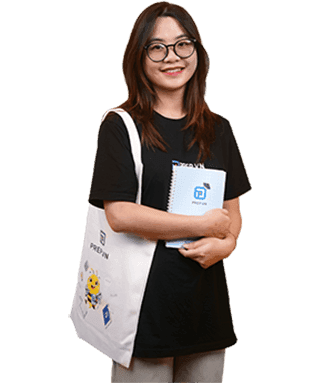
สวัสดีค่ะ ฉันชื่อมุก ปัจจุบันดูแลด้านเนื้อหาผลิตภัณฑ์ของ Prep Education ค่ะ
ด้วยประสบการณ์มากกว่า 5 ปีในการเรียน IELTS ออนไลน์ด้วยตนเอง ฉันเข้าใจดีถึงความท้าทายที่ผู้เรียนต้องเผชิญ แล้วก็รู้ว่าอะไรที่มันเวิร์ก
มุกอยากเอาประสบการณ์ตรงนี้มาช่วยแชร์ แล้วก็ซัพพอร์ตเพื่อน ๆ ให้ได้คะแนนที่ดีที่สุดค่ะ
ความคิดเห็น
เนื้อหาแบบพรีเมียม
ดูทั้งหมด



แผนการเรียนรู้ส่วนบุคคล


อ่านมากที่สุด



ติดต่อ Prep ผ่านโซเชียล





Address: ตึก C.P. Tower 2 (ฟอร์จูนทาวน์) ชั้น 21 ถนนรัชดาภิเษก แขวงดินแดง เขตดินแดง กรุงเทพฯ 10400
Hotline: +66 25 44 0068
Email: sawatdee@prepedu.com