500+ HSK 1 Vocabulary: Essential Beginner Words to Learn
Beginning your Chinese language journey requires more than just enthusiasm—it demands a solid foundation built from essential vocabulary that transforms confusion into clarity. The HSK 1 vocabulary serves as your linguistic toolkit, containing 300 carefully selected words that unlock basic conversations, bridge cultural divides, and establish patterns for continued growth. This guide reveals not only what words you need to learn but how to master them efficiently through proven strategies that work with your brain's natural learning processes.

I. How Many Vocabulary Words Are Needed for HSK 1?
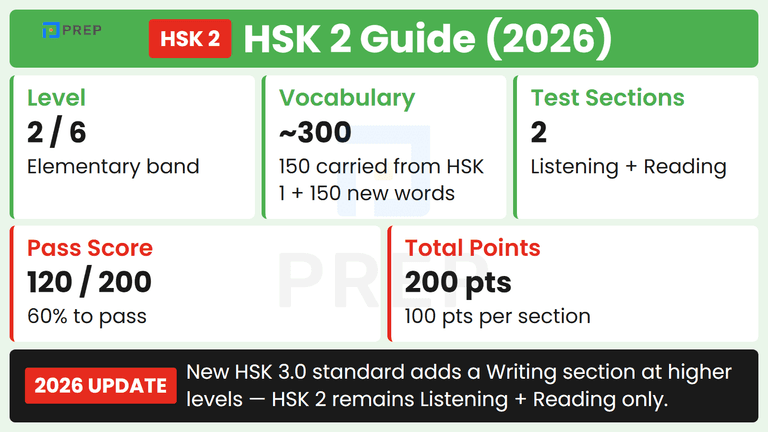
If you're preparing for the HSK 1 exam, the first thing you need to know is the number of vocabulary words required. According to the official Chinese Proficiency Test (HSK) guidelines under the new standard, HSK 1 vocabulary includes 500 essential words. These words form the foundation of Mandarin and are crucial for basic communication in daily life.
Previously, the HSK 1 test under the old 6-level system only required 150 words. However, under the updated 2021 framework, HSK now incorporates a broader and more in-depth vocabulary requirement structured for long-term language proficiency development. This change aims to better reflect real-world usage and the natural pace of language acquisition.
II. Complete and Detailed HSK 1 Vocabulary List
Understanding the full scope of the HSK 1 vocabulary is key to effective studying. This version serves absolute beginners with a lighter load and is still used by many learning platforms and older preparation materials. It even introduces everyday nouns like common animals in Chinese as well as staples of nature—check out our lists for mushroom in Chinese , cat in Chinese , and bird in Chinese to see these words in action.
Each word in the list includes the simplified character, pinyin pronunciation, and English meaning so you can build vocabulary with correct pronunciation and usage from the start. The list also incorporates basic parts of speech: nouns, verbs, adjectives, pronouns, and modal expressions.

1. HSK 1 Vocabulary Based on the 6-Level Framework
If you're following the traditional 6-level HSK system introduced before 2020, the HSK 1 vocabulary list includes 150 common words. These are grouped by topic areas such as greetings, numbers, family members, basic directions, and simple verbs of action.
This version serves absolute beginners with a lighter load and is still used by many learning platforms and older preparation materials.
|
HSK 1 Vocabulary |
Pinyin |
Part of Speech |
English Meaning |
Example (Characters/Pinyin/Translation) |
|
A |
||||
|
爱 |
ài |
Verb |
to love |
我爱你。 / Wǒ ài nǐ. / I love you. |
|
B |
||||
|
八 |
bā |
Number |
Eight |
八点。 / Bā diǎn. / Eight o’clock. |
|
爸爸 |
bàba |
Noun |
Dad |
我爸爸。 / Wǒ bàba. / My dad. |
|
杯子 |
bēizi |
Noun |
Cup |
一个杯子。 / Yí gè bēizi. / A cup. |
|
北京 |
Běijīng |
Proper noun |
Beijing |
去北京。 / Qù Běijīng. / Go to Beijing. |
|
本 |
běn |
Measure word |
Measure word for books |
这本书。 / Zhè běn shū. / This book. |
|
不客气 |
bú kèqi |
Phrase |
You’re welcome |
不客气! / Bú kèqi! / You're welcome! |
|
不 |
bù |
Adverb |
Not / No |
我不去。 / Wǒ bú qù. / I’m not going. |
|
C |
||||
|
菜 |
cài |
Noun/Measure word |
Dish, cuisine |
我喜欢吃中国菜。 / Wǒ xǐhuān chī Zhōngguó cài. / I like Chinese food. |
|
茶 |
chá |
Noun |
Tea |
喝茶。 / Hē chá. / Drink tea. |
|
吃 |
chī |
Verb |
To eat |
你想吃什么? / Nǐ xiǎng chī shénme? / What do you want to eat? |
|
出租车 |
chūzūchē |
Noun |
Taxi |
坐出租车。 / Zuò chūzūchē. / Take a taxi. |
|
D |
||||
|
打电话 |
dǎ diànhuà |
Verb |
To make a phone call |
给我打电话。 / Gěi wǒ dǎ diànhuà. / Call me. |
|
大 |
dà |
Adjective |
Big |
这个很大。 / Zhège hěn dà. / This is big. |
|
的 |
de |
Particle |
Possessive ('s) |
我的书。 / Wǒ de shū. / My book. |
|
点 |
diǎn |
Noun |
O’clock |
三点。 / Sān diǎn. / Three o’clock. |
|
电脑 |
diànnǎo |
Noun |
Computer |
我的电脑。 / Wǒ de diànnǎo. / My computer. |
|
电视 |
diànshì |
Noun |
TV |
看电视。 / Kàn diànshì. / Watch TV. |
|
电影 |
diànyǐng |
Noun |
Movie |
看电影。 / Kàn diànyǐng. / Watch a movie. |
|
东西 |
dōngxi |
Noun |
Thing, item |
买东西。 / Mǎi dōngxi. / Go shopping. |
|
都 |
dōu |
Adverb |
All |
我们都是学生。 / Wǒmen dōu shì xuéshēng. / We are all students. |
|
读 |
dú |
Verb |
To read |
读课文。 / Dú kèwén. / Read the text. |
|
对不起 |
duìbuqǐ |
Verb |
Sorry |
对不起! / Duìbuqǐ! / Sorry! |
|
多 |
duō |
Verb |
Many, much |
很多人。 / Hěn duō rén. / Many people. |
|
多少 |
duōshao |
Pronoun |
How much / How many |
多少钱? / Duōshao qián? / How much money? |
|
E |
||||
|
儿子 |
érzi |
Noun |
Son |
我的儿子。 / Wǒ de érzi. / My son. |
|
二 |
èr |
Number |
Two |
二本书。 / Èr běn shū. / Two books. |
|
F |
||||
|
饭馆 |
fànguǎn |
Noun |
Restaurant |
去饭馆。 / Qù fànguǎn. / Go to the restaurant. |
|
飞机 |
fēijī |
Noun |
Airplane |
坐飞机。 / Zuò fēijī. / Take a flight. |
|
分钟 |
fēnzhōng |
Time noun |
Minute |
五分钟。 / Wǔ fēnzhōng. / Five minutes. |
2. HSK 1 Vocabulary Based on the 9-Level Framework
Under the new 9-level HSK structure introduced in 2021, HSK 1 now includes 500 structured vocabulary words, complemented by essential grammar and functions. Words in this framework are semantically selected and grouped according to communication situations, not just textbooks. You’ll encounter core verbs, functional phrases, descriptive adjectives, and basic nouns such as shapes—practice them in our shapes in Chinese guide.
|
HSK 1 Vocabulary |
Pinyin |
English Meaning |
Example Sentence |
|
爱 |
ài |
to love, to like |
我爱我的妈妈。 I love my mother. |
|
爱好 |
àihào |
hobby |
我的爱好是听音乐。 My hobby is listening to music. |
|
八 |
bā |
number 8 |
现在是八点。 It is 8 o’clock now. |
|
爸爸 / 爸 |
bàba / bà |
dad, father |
我的爸爸。 My dad. |
|
吧 |
ba |
(modal particle: suggestion, assumption) |
我们走吧! Let’s go! |
|
白 |
bái |
white |
她今天穿白裙子。 She’s wearing a white dress today. |
|
白天 |
báitiān |
daytime |
我白天没有时间,晚上再去吧。 I don’t have time during the day, let’s go in the evening. |
|
百 |
bǎi |
one hundred |
我们班有一百个学生。 There are 100 students in our class. |
|
班 |
bān |
class |
你是哪个班的学生? Which class are you in? |
|
半 |
bàn |
half |
我只喝了半瓶水。 I only drank half of the bottle of water. |
|
半年 |
bàn nián |
half a year |
他已经来中国半年了。 He’s been in China for half a year. |
|
半天 |
bàn tiān |
half a day |
我想了半天还没想出来。 I’ve thought for half a day and still haven’t figured it out. |
|
帮 |
bāng |
to help |
能不能帮我买点儿东西? Could you help me buy some things? |
|
帮忙 |
bāngmáng |
to help (with a task) |
你需要我帮忙吗? Do you need my help? |
|
包 |
bāo |
bag; to wrap, to package |
手机在书包里。 The phone is in the backpack. |
|
包子 |
bāozi |
steamed bun |
这个包子很好吃。 This steamed bun is delicious. |
|
杯 |
bēi |
cup, glass (measure word) |
请给我一杯水。 Please give me a glass of water. |
|
杯子 |
bēizi |
cup, glass |
这个杯子真好看。 This cup is really pretty. |
|
北 |
běi |
north |
你是北方人吗? Are you from the North? |
|
北边 |
běibiān |
northern side |
超市在车站的北边。 The supermarket is to the north of the station. |
This shift ensures that learners develop both passive and active command at the beginner level, better preparing them for real use cases in living, traveling, or working in Chinese-speaking environments.
Words in this framework are semantically selected and grouped according to communication situations, not just textbooks. You’ll encounter:
-
Core verbs and sentence patterns
-
Descriptive adjectives
-
Functional phrases necessary for A1 communication tasks
III. Download HSK 1 Vocabulary PDF File
To help streamline your study, we’ve prepared a full digital version of the HSK 1 vocabulary list. It includes all 500 words laid out in a clear format: Chinese character, pinyin pronunciation, and English translation.
[FREE] DOWNLOAD 500+ HSK 1 VOCABULARY PDF
This PDF is ideal for printing, offline study, or importing into flashcard apps like Anki or Quizlet. You can download it directly from trusted HSK preparation websites or official Hanban sources.
Using a downloadable HSK vocabulary list gives you easy access to study material even when you're not online.
IV. What Topics Does HSK 1 Vocabulary Revolve Around?
The vocabulary in HSK 1 covers basic, real-life topics that help you understand and participate in everyday Chinese. These topics are intentionally chosen to suit beginner usage and oral communication tasks.

You will cover areas such as:
-
Greetings and Introductions
-
Numbers, Time, and Dates
-
Family and Relationships
-
Food and Dining
-
Transportation and Directions
-
Simple Shopping and Asking Questions
For a deeper dive into “Nature & the Outdoors” vocabulary, explore our posts on trees in Chinese and see how to say your favorite seaside terms in beach in Chinese .
V. Methods to Quickly Memorize HSK 1 Vocabulary
Effective vocabulary acquisition requires strategic approaches that leverage how memory works rather than relying solely on repetition. Understanding proven memorization techniques accelerates your progress and ensures lasting retention of HSK 1 vocabulary.
-
Spaced Repetition Systems: Spaced repetition optimizes review timing by presenting words just before you would forget them, strengthening neural pathways through scientifically-timed intervals. Digital flashcard applications like Anki or Pleco implement this method automatically, calculating optimal review schedules based on your performance. When you correctly recall a word, the system increases the interval before showing it again. This approach requires less total study time than traditional methods while producing superior long-term retention.
-
Contextual Learning: Contextual learning embeds HSK 1 vocabulary in meaningful situations rather than isolating individual words. Creating example sentences that relate to your personal life makes words memorable and demonstrates practical usage. Instead of memorizing 喜欢 (xǐhuan - to like) in isolation, construct sentences about things you genuinely like: "我喜欢喝咖啡" (wǒ xǐhuan hē kāfēi - I like to drink coffee). This technique builds neural connections between words and real experiences, making recall more automatic during actual conversations.
-
Multi-Sensory Engagement: Multi-sensory engagement strengthens memory formation by activating different brain regions simultaneously. Consider incorporating these approaches into your study routine:
-
Read characters of HSK 1 vocabulary to engage visual processing and recognize written forms
-
Speak aloud to activate motor memory and improve pronunciation
-
Listen to recordings to reinforce auditory recognition and train your ear
-
Write characters while pronouncing them to create multiple retrieval pathways
-
This comprehensive approach makes words easier to recall regardless of how you encounter them later.
-
-
Mnemonic Devices: Mnemonic devices transform abstract symbols into memorable mental images through creative associations. For challenging characters, develop vivid stories or visual connections that link the character's appearance to its meaning. The character 好 (hǎo - good) combines 女 (woman) and 子 (child), suggesting that a woman with her child represents goodness. While not etymologically accurate, such memorable associations aid initial learning and character recognition.
-
Active Production Practice: Active production exercises force retrieval rather than passive recognition, strengthening memory more effectively. Transform your study sessions through these activities:
-
Construct original sentences using new vocabulary in relevant contexts
-
Write short diary entries in Chinese about daily experiences
-
Describe your activities aloud to practice spontaneous recall
-
This productive practice simulates real communication scenarios and reveals gaps in your knowledge that passive study might miss.
-
-
Consistent Practice Schedule: Consistent daily practice proves more effective than occasional marathon study sessions. Dedicating 20-30 minutes daily to focused vocabulary work yields better results than weekly three-hour cramming sessions. Short, regular practice maintains momentum, prevents forgetting, and builds sustainable study habits. Set specific daily goals like learning five new words or reviewing 20 flashcards rather than vague commitments to "study Chinese."
VI. Conclusion
Understanding HSK 1 vocabulary requirements and implementing effective study strategies positions you for success in both the examination and practical Chinese communication. The 300 essential words comprising this level provide sufficient foundation for basic interactions while establishing patterns that facilitate continued learning.
PREP offers structured vocabulary courses that integrate proven memorization techniques into comprehensive learning programs. Accessing expert-designed materials and systematic study plans through PREP accelerates your HSK 1 vocabulary mastery while building foundations for continued Chinese language success.

Hi I'm Chloe, and I am currently serving as an Product Content Administrator at Prep Education. With over five years of experience in independent online IELTS study and exam preparation, I am confident in my ability to support learners in achieving their highest possible scores.
Comment
Premium content
View all


Personalized roadmap


Most read

UEN: 202227322W
Address: 114 LAVENDER STREET, #11-83 CT HUB 2, SINGAPORE (338729)