School Subjects Vocabulary List with Examples and Practice
Mastering school subjects vocabulary helps learners talk about classes, exams, and daily school life in English. This guide provides categorized vocabulary lists with phonetics, clear examples for all levels, and practice exercises to boost communication and academic writing.

I. School Subjects Vocabulary List by Category
School subjects vocabulary refers to the set of English words used to describe the academic subjects taught in schools, colleges, and universities. These include basic subjects like Math, Science, and History — as well as more advanced disciplines such as Engineering or Philosophy.
Whether you're a student learning English, a test-taker preparing for exams like IELTS or TOEIC, or a teacher designing ESL lessons, mastering school subjects vocabulary is essential. It helps you:
- Describe class schedules and preferences in conversations
- Understand course catalogs, academic documents, and timetables
- Write essays or emails discussing educational experiences or academic goals
- Perform better in speaking and writing tasks on standardized tests
To build a solid base, start with A1 vocabulary.
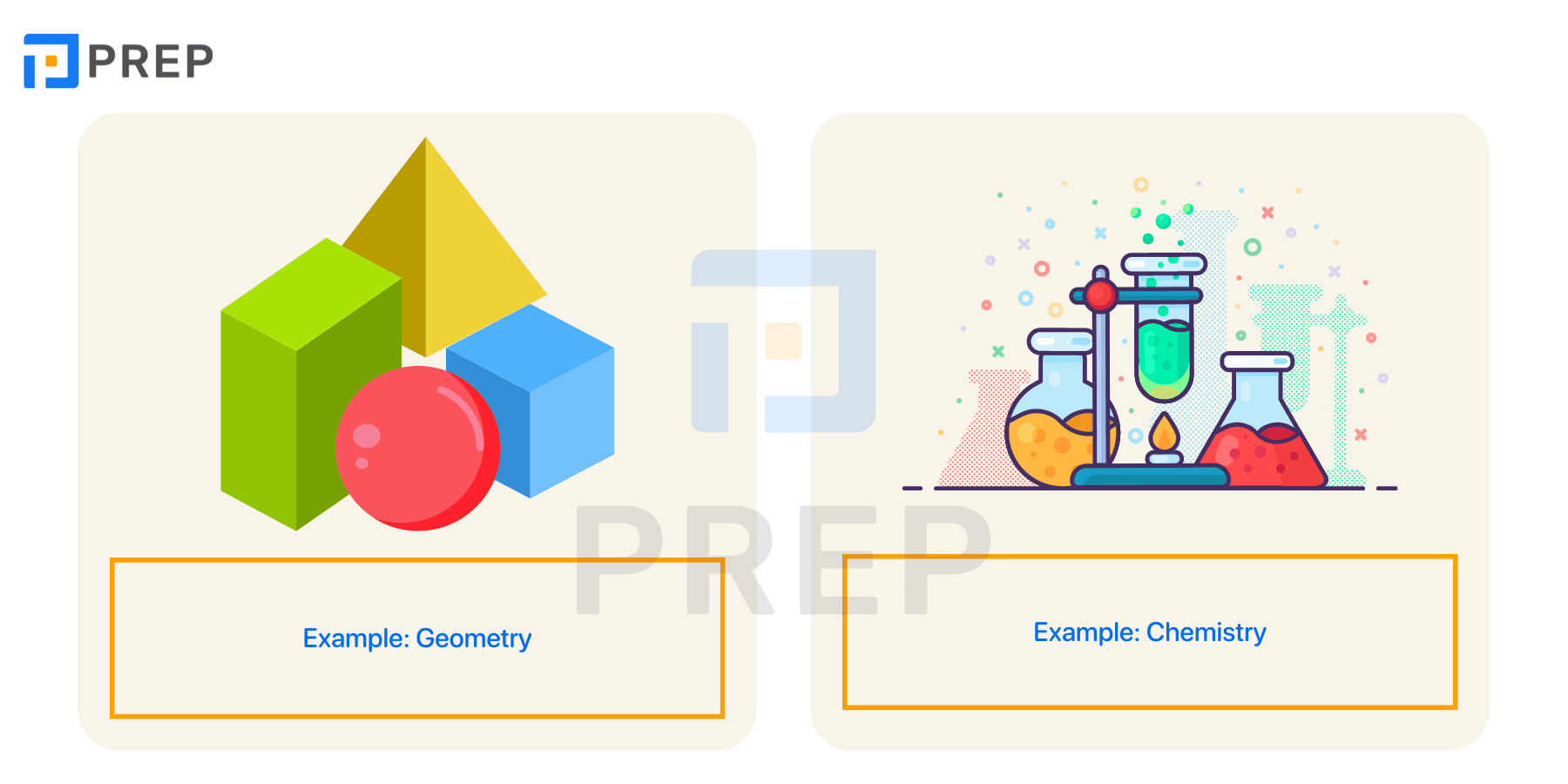
1. Basic Subjects Vocabulary
This section introduces the most common school subjects taught at primary and secondary levels. These words are essential for describing timetables, school activities, study interests, and standardized exam topics. Subjects are organized into key categories for easier learning and thematic review.
Natural Sciences
|
Subject |
Pronunciation |
Meaning |
|
Mathematics (Maths) |
/ˌmæθəˈmætɪks/ <br> (Maths: /mæθs/) |
The study of numbers, quantities, and shapes. |
|
Algebra |
/ˈældʒɪbrə/ |
A type of math that uses symbols and letters to represent numbers. |
|
Geometry |
/dʒiˈɒmətri/ |
The branch of mathematics that deals with shapes, sizes, and angles. |
|
Physics |
/ˈfɪzɪks/ |
The study of matter and energy and how they interact. |
|
Chemistry |
/ˈkemɪstri/ |
The study of substances and their reactions. |
|
Biology |
/baɪˈɒlədʒi/ |
The study of living organisms and life systems. |
|
General Science |
/ˈsaɪəns/ |
A broad study of the physical and natural world. |
|
Computer Science |
/kəmˈpjuːtər ˈsaɪəns/ |
The study of computers and programming. |
|
Technology |
/tekˈnɒlədʒi/ |
The practical use of scientific knowledge in tools and machines. |
|
Engineering |
/ˌendʒɪˈnɪərɪŋ/ |
The design and construction of machines and systems. |
Social Sciences
|
Subject |
Pronunciation |
Meaning |
|
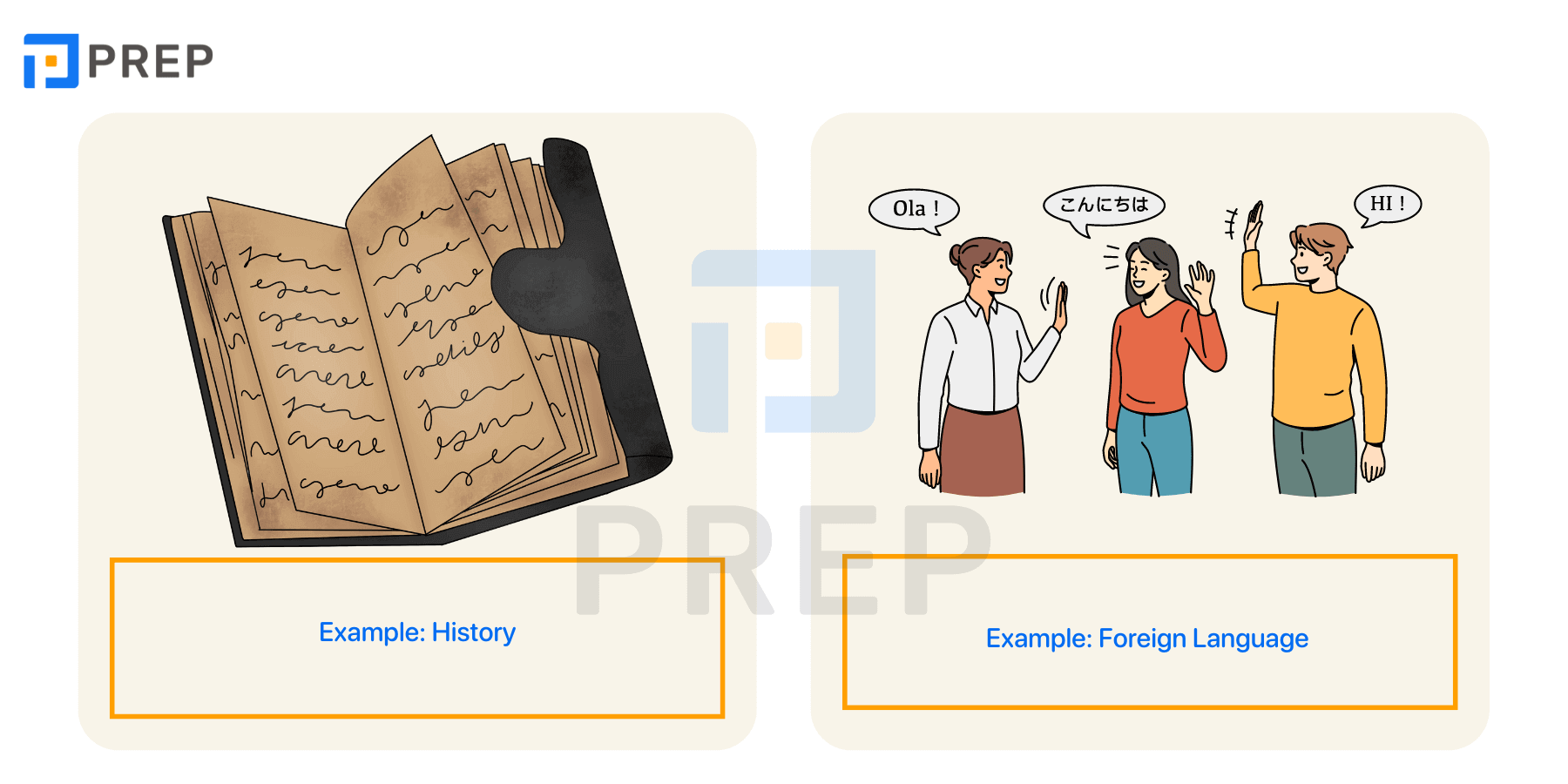
History |
/ˈhɪstri/ |
The study of past events and civilizations. |
|
Geography |
/dʒiˈɒɡrəfi/ |
The study of Earth’s land, climate, and people. |
|
Literature |
/ˈlɪtrətʃə(r)/ |
The study of written works like novels and poetry. |
|
Foreign Language |
/ˈfɒrən ˈlæŋɡwɪdʒ/ |
The study of a language that is not your native one. |
|
Ethics |
/ˈeθɪks/ |
The study of moral principles and behavior. |
|
Civic Education |
/ˈsɪvɪk ˌedʒuˈkeɪʃn/ |
Education about citizenship and civic responsibility. |
Arts and Humanities
|
Subject |
Pronunciation |
Meaning |
|
Art |
/ɑːt/ |
The study of visual creativity such as drawing and painting. |
|
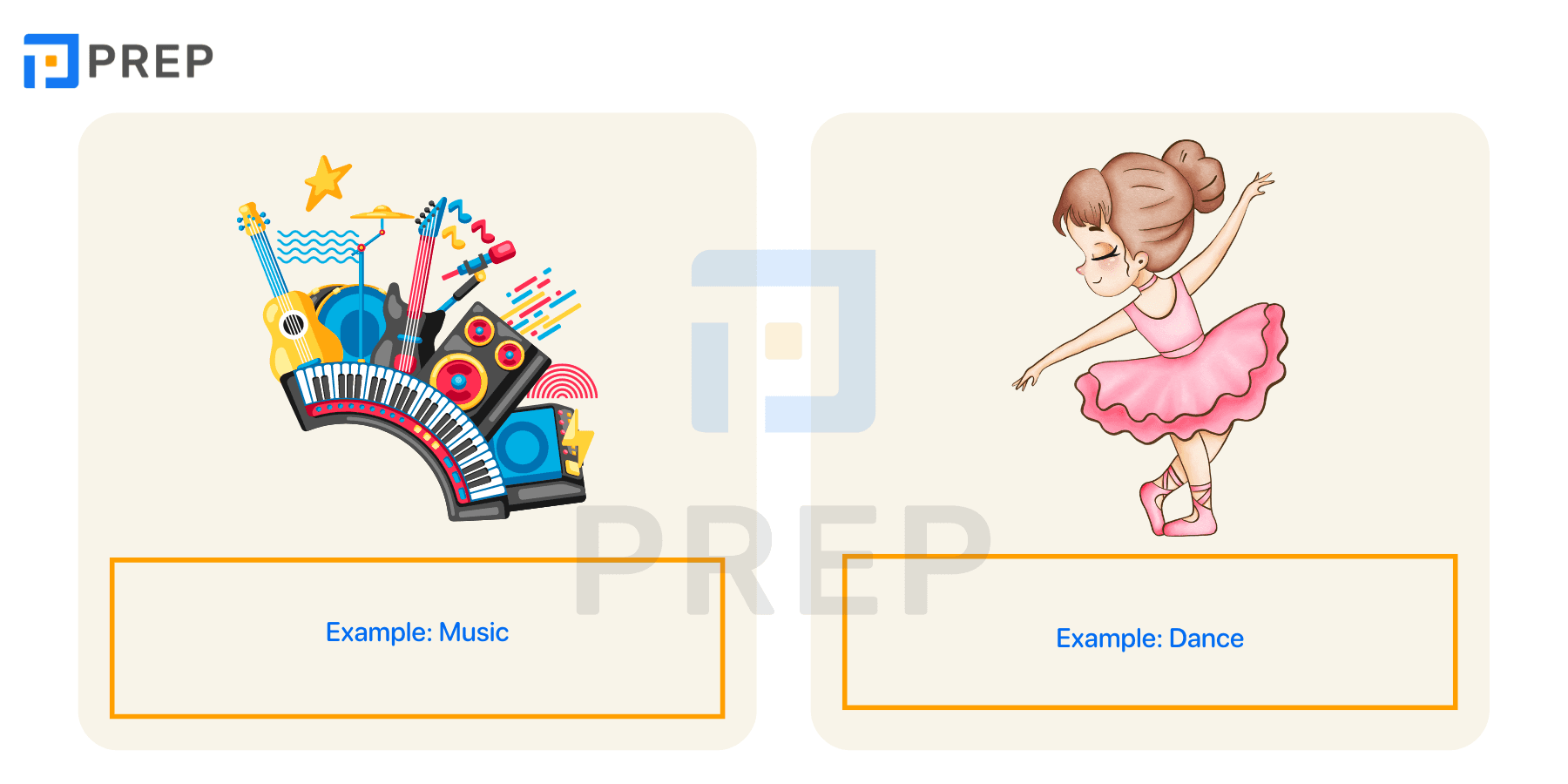
Music |
/ˈmjuːzɪk/ |
The study of sound, rhythm, and musical expression. |
|
Dance |
/dɑːns/ |
The performance and study of movement to music. |
|
Drama |
/ˈdrɑːmə/ |
The study of acting and theatrical performance. |
Physical Education and Sports
|
Subject |
Pronunciation |
Meaning |
|
Physical Education (P.E.) |
/ˌfɪzɪkl ˌedʒuˈkeɪʃn/ |
School sports and physical activities. |
|
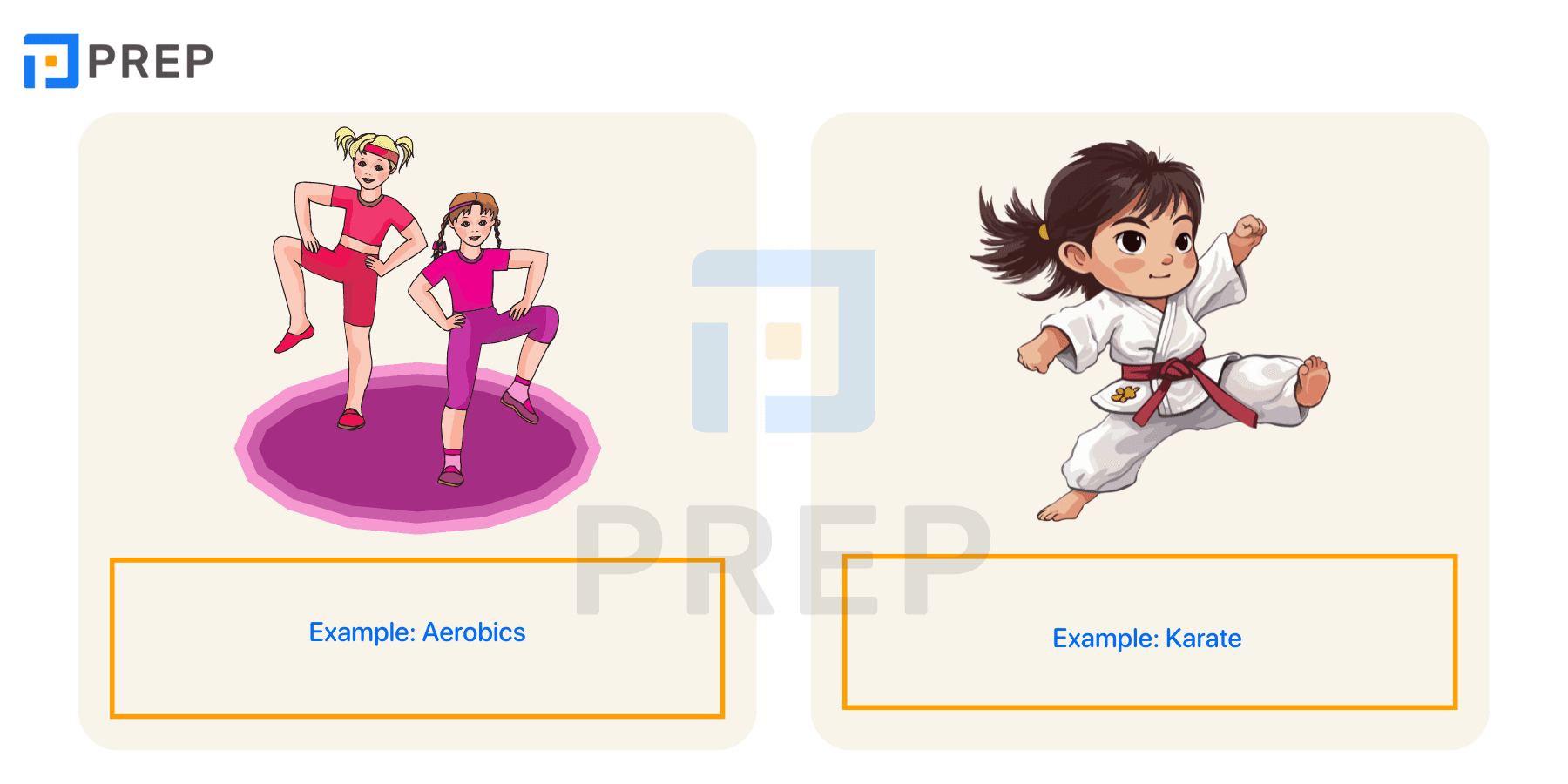
Aerobics |
/eəˈrəʊbɪks/ |
Exercise involving rhythmic physical movement, often with music. |
|
Athletics |
/æθˈletɪks/ |
Sports such as running and jumping. |
|
Karate |
/kəˈrɑːti/ |
A martial art that involves striking and blocking. |
|
Judo |
/ˈdʒuːdəʊ/ |
A type of wrestling where opponents aim to throw each other down. |
|
Swimming |
/ˈswɪmɪŋ/ |
Moving through water as a sport or skill. |
|
Football (Soccer) |
/ˈfʊtbɔːl/, /ˈsɒkə(r)/ |
A team sport using a ball and goals. |
|
Basketball |
/ˈbɑːskɪtbɔːl/ |
A sport where players score points by shooting a ball through a hoop. |
|
Volleyball |
/ˈvɒlibɔːl/ |
A game where players hit a ball over a net. |
|
Tennis |
/ˈtenɪs/ |
A racket game for two or four players. |
|
Ping-Pong (Table Tennis) |
/ˈpɪŋ pɒŋ/ |
A smaller version of tennis usually played indoors. |
|
Badminton |
/ˈbædmɪntən/ |
A racket sport with a shuttlecock. |
|
Baseball |
/ˈbeɪsbɔːl/ |
A bat-and-ball team sport mostly played in North America. |
|
High Jump |
/ˈhaɪ dʒʌmp/ |
A track and field event where athletes jump over a bar. |
|
Pole Vault |
/ˈpəʊl vɔːlt/ |
A jumping event using a flexible pole. |
|
Chess |
/tʃes/ |
A strategic board game played competitively. |
2. Advanced Subjects Vocabulary
Beyond the core school subjects, advanced learners—especially those in higher education or vocational training—encounter more specialized disciplines. These subjects are often seen in university programs, professional development courses, and academic writing tasks. Knowing this vocabulary helps learners understand academic documents, navigate university systems, and express their study goals clearly.
Science, Technology & Engineering (STEM)
|
Subject |
Pronunciation |
Meaning |
|
Environmental Science |
/ɪnˌvaɪrənˈmentl ˈsaɪəns/ |
Study of the environment and sustainable solutions. |
|
Data Science |
/ˈdeɪtə ˈsaɪəns/ |
Analysis of large data sets to gain insights. |
|
Artificial Intelligence (AI) |
/ˌɑːtɪˈfɪʃl ɪnˈtelɪdʒəns/ |
Making machines that mimic human intelligence. |
|
Robotics |
/rəʊˈbɒtɪks/ |
Study and design of programmable machines. |
|
Cybersecurity |
/ˌsaɪbəsɪˈkjʊərəti/ |
Techniques to protect digital information systems. |
|
Software Engineering |
/ˈsɒftweə(r) ˌendʒɪˈnɪərɪŋ/ |
Development and maintenance of software systems. |
|
Biochemistry |
/ˌbaɪəʊˈkemɪstri/ |
Chemical processes in living organisms. |
|
Astronomy |
/əˈstrɒnəmi/ |
Study of stars, planets, and the universe. |
|
Astrophysics |
/ˌæstrəʊˈfɪzɪks/ |
Physics of celestial objects and space. |
|
Mechanical Engineering |
/məˈkænɪkl endʒɪˈnɪərɪŋ/ |
Design of machines and mechanical systems. |
|
Civil Engineering |
/ˈsɪvl endʒɪˈnɪərɪŋ/ |
Design and construction of infrastructure. |
|
Electrical Engineering |
/ɪˈlektrɪkl endʒɪˈnɪərɪŋ/ |
Study of electricity and electronics. |
Science, Technology & Engineering (STEM)
|
Subject |
Pronunciation |
Meaning |
|
Environmental Science |
/ɪnˌvaɪrənˈmentl ˈsaɪəns/ |
Study of the environment and sustainable solutions. |
|
Data Science |
/ˈdeɪtə ˈsaɪəns/ |
Analysis of large data sets to gain insights. |
|
Artificial Intelligence (AI) |
/ˌɑːtɪˈfɪʃl ɪnˈtelɪdʒəns/ |
Making machines that mimic human intelligence. |
|
Robotics |
/rəʊˈbɒtɪks/ |
Study and design of programmable machines. |
|
Cybersecurity |
/ˌsaɪbəsɪˈkjʊərəti/ |
Techniques to protect digital information systems. |
|
Software Engineering |
/ˈsɒftweə(r) ˌendʒɪˈnɪərɪŋ/ |
Development and maintenance of software systems. |
|
Biochemistry |
/ˌbaɪəʊˈkemɪstri/ |
Chemical processes in living organisms. |
|
Astronomy |
/əˈstrɒnəmi/ |
Study of stars, planets, and the universe. |
|
Astrophysics |
/ˌæstrəʊˈfɪzɪks/ |
Physics of celestial objects and space. |
|
Mechanical Engineering |
/məˈkænɪkl endʒɪˈnɪərɪŋ/ |
Design of machines and mechanical systems. |
|
Civil Engineering |
/ˈsɪvl endʒɪˈnɪərɪŋ/ |
Design and construction of infrastructure. |
|
Electrical Engineering |
/ɪˈlektrɪkl endʒɪˈnɪərɪŋ/ |
Study of electricity and electronics. |
Science, Technology & Engineering (STEM)
|
Subject |
Pronunciation |
Meaning |
|
Environmental Science |
/ɪnˌvaɪrənˈmentl ˈsaɪəns/ |
Study of the environment and sustainable solutions. |
|
Data Science |
/ˈdeɪtə ˈsaɪəns/ |
Analysis of large data sets to gain insights. |
|
Artificial Intelligence (AI) |
/ˌɑːtɪˈfɪʃl ɪnˈtelɪdʒəns/ |
Making machines that mimic human intelligence. |
|
Robotics |
/rəʊˈbɒtɪks/ |
Study and design of programmable machines. |
|
Cybersecurity |
/ˌsaɪbəsɪˈkjʊərəti/ |
Techniques to protect digital information systems. |
|
Software Engineering |
/ˈsɒftweə(r) ˌendʒɪˈnɪərɪŋ/ |
Development and maintenance of software systems. |
|
Biochemistry |
/ˌbaɪəʊˈkemɪstri/ |
Chemical processes in living organisms. |
|
Astronomy |
/əˈstrɒnəmi/ |
Study of stars, planets, and the universe. |
|
Astrophysics |
/ˌæstrəʊˈfɪzɪks/ |
Physics of celestial objects and space. |
|
Mechanical Engineering |
/məˈkænɪkl endʒɪˈnɪərɪŋ/ |
Design of machines and mechanical systems. |
|
Civil Engineering |
/ˈsɪvl endʒɪˈnɪərɪŋ/ |
Design and construction of infrastructure. |
|
Electrical Engineering |
/ɪˈlektrɪkl endʒɪˈnɪərɪŋ/ |
Study of electricity and electronics. |
Arts, Humanities & Education
|
Subject |
Pronunciation |
Meaning |
|
Philosophy |
/fəˈlɒsəfi/ |
The study of thought, reason, and existence. |
|
Theology |
/θiˈɒlədʒi/ |
The study of religious beliefs and doctrines. |
|
Linguistics |
/lɪŋˈɡwɪstɪks/ |
The scientific study of language. |
|
Translation Studies |
/trænzˈleɪʃn ˈstʌdiz/ |
Theory and skills of translating between languages. |
|
Education |
/ˌedʒuˈkeɪʃn/ |
Study of how people learn and how to teach. |
|
Curriculum Studies |
/kəˈrɪkjələm ˈstʌdiz/ |
Study of designing and evaluating educational programs. |
|
Art History |
/ɑːt ˈhɪstəri/ |
The history and analysis of visual arts. |
|
Creative Writing |
/kriˈeɪtɪv ˈraɪtɪŋ/ |
Writing fiction, poetry, or literary nonfiction. |
II. How to Use School Subjects Vocabulary in Sentences
Learning subject names in English is useful, but knowing how to use them in complete, natural sentences is what truly builds fluency. In this section, you’ll explore how to use school subjects vocabulary in different types of sentences—ranging from beginner-friendly examples to formal academic usage.
These sentence models will help you talk about:
- Your school schedule
- Subjects you like or dislike
- What you’re studying or teaching
- Academic goals or learning preferences
- Descriptions in exams (speaking/writing tasks)
To help all learners, examples are organized by language level.
Example Sentences for Beginners (A1–A2)
These sentences use simple structures that are ideal for basic conversation, classroom interaction, and foundational grammar practice.
- I have Math and Science on Monday.
- Music is my favorite subject.
- We play football in P.E. class.
- I don’t like History because it’s difficult.
- She studies English in the morning.
- My school has Art every Friday.
- Our teacher gives us homework for Geography.
- Do you have Biology this week?
Tip: Practice using “like”, “have”, “study”, “don’t like”, “when” + subject.
Example Sentences for Intermediate Learners (B1–B2)
These examples contain more varied sentence structures suitable for writing tasks, short dialogues, and essay preparation.
- I enjoy studying Literature because I love reading novels.
- Chemistry is quite challenging, but really fascinating.
- My school offers Computer Science as an elective subject.
- We had a group presentation in our History class this morning.
- Students must pass Math, English, and one Foreign Language to graduate.
- I take Drama as an optional class to boost my confidence in public speaking.
- Physics and Biology are necessary for medical students.
- Tip: Combine subject vocabulary with opinion structures, modal verbs (must, should), connectors (because, although), and time expressions.
Academic and Formal Contexts
At an advanced level, and especially in written English (essays, academic emails, formal exams), subject-related vocabulary is often used in precise, structured ways.
- My major is Biomedical Science, with a focus on human anatomy and cell biology.
- The study of Economics provides insights into how resources are allocated in society.
- Civic Education equips students with essential knowledge for democratic participation.
- Philosophy encourages critical thinking and logical reasoning.
- The curriculum includes compulsory courses in Statistics, Educational Psychology, and Curriculum Design.
- I'm pursuing a degree in International Relations to work in global diplomacy.
Tip: Use academic verbs (study, explore, analyze, examine), passive voice, and formal expressions when writing about subjects in higher education or graduate programs.
-
For exam-focused wordlists, see IELTS vocabulary by topics.
III. Exercises and Practice with School Subjects Vocabulary
To reinforce your understanding and usage of school subjects vocabulary, below are several exercises designed for ESL learners at beginner to intermediate levels. These tasks help improve your recognition, spelling, sentence formation, and real-life application of subject names in English.
Exercise 1: Match the Word with the Definition
Match each subject in Column A with the correct definition from Column B.
Example:
|
Column A |
Column B |
|
1. Geography |
A. The study of past events |
|
2. History |
B. The study of Earth's surface |
|
3. Chemistry |
C. The study of materials and reactions |
Exercise 2: Choose the Correct Word
Select which school subject fits best in each sentence.
-
Students learn about atoms and molecules in:
a) Geometry
b) Chemistry
c) Music -
We read Shakespeare’s plays in:
a) Literature
b) Physics
c) Art -
You need this subject to calculate numbers:
a) Biology
b) Sociology
c) Mathematics
Answer
[prep_collapse_expand open_text="View more" close_text="Show less"]
|
Exercise 1 |
Exercise 2 |
|
1 - B 2 - A 3 - C |
|
[/prep_collapse_expand]
IV. From Beginner to Band 7
This article has presented 40+ common words of school subjects vocabulary as well as question structures about subjects in English. If IELTS vocabulary feels overwhelming, our step-by-step courses can make it easy:
-
IELTS english course: Master Every Section of IELTS

Hi I'm Chloe, and I am currently serving as an Product Content Administrator at Prep Education. With over five years of experience in independent online IELTS study and exam preparation, I am confident in my ability to support learners in achieving their highest possible scores.
Comment
Premium content
View all


Personalized roadmap


Most read


UEN: 202227322W
Address: 114 LAVENDER STREET, #11-83 CT HUB 2, SINGAPORE (338729)