770+ HSK 2 Vocabulary Words to Boost Daily Chinese Fluency
Advancing beyond beginner proficiency requires expanding your vocabulary foundation with words that enable nuanced expression and deeper conversations. The HSK 2 vocabulary builds upon your initial knowledge, introducing 300 new terms that transform basic communication into meaningful exchanges about daily life, personal experiences, and practical situations. This comprehensive guide examines the complete HSK 2 word list while providing effective strategies to accelerate your vocabulary acquisition and strengthen your command of everyday Chinese.

I. How Many Vocabulary Words Are Required for HSK 2?
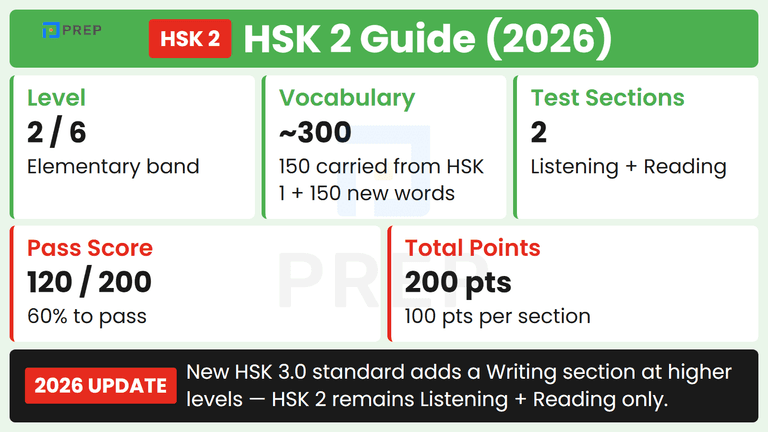
When following the revised HSK guidelines, HSK 2 vocabulary now includes over 770 words, making it a significant step up from the beginner (HSK 1) level. In the earlier 6-level system, HSK 2 required only 300 words total, combining both HSK 1 and HSK 2 content (150 words each).
Under the new 2021 HSK Standard Course, Level 2 expands to over 770 essential words. This broader lexical scope lets you discuss daily matters—telling time, talking about health, even checking the weather in Chinese —and plan your next trip by naming destinations using our country names in Chinese guide.
This change in the number of HSK 2 vocabulary reflects a stronger emphasis on real-world language usage, where learners can express themselves beyond basic greetings and talk comfortably about time, plans, health, preferences, feelings, and workplace matters.
II. HSK 2 Vocabulary Grouped by Topics
The most effective way to study the hsk 2 vocabulary list is by grouping words based on practical topics rather than learning them randomly. This mirrors how vocabulary is organized in native communication, improving retention and comprehension.

HSK 2 words fit into themes such as emotions, daily routines, and travel. To deepen your exposure beyond the core list, explore:
- Nature & Outdoors – learn tree vocabulary in our trees in Chinese post
- Beach & Seaside – essential terms in beach in Chinese
- Fungi & Foraging – see common terms in mushroom in Chinese
This semantic grouping helps you use vocabulary logically and naturally in spoken and written Chinese.
III. Complete HSK 2 Chinese Vocabulary List
The full chinese hsk 2 vocabulary database provides pinyin, definitions, parts of speech, and usage examples. It’s structured effectively based on different versions of the HSK system. Let’s explore both to help you choose the right one for your needs.
1. HSK 2 Vocabulary Based on the 6-Level Framework
Under the traditional 6-level structure, HSK 2 covers a total of 150 new words (building on HSK 1’s 150). Among the nouns you’ll learn are everyday objects and shapes—don’t miss our visual guide to shapes in Chinese .
|
HSK 2 Vocabulary |
Pinyin |
English Meaning |
Example (Chinese/Pinyin/English) |
|
吧 |
ba |
Modal particle (suggestion/agreement) |
好吧! / Hǎo ba! / Okay! (Alright!) |
|
帮助 |
bāngzhù |
To help, assistance |
我可以帮助你吗? / Wǒ kěyǐ bāngzhù nǐ ma? / Can I help you? |
|
比 |
bǐ |
To compare, than |
我比他高。 / Wǒ bǐ tā gāo. / I am taller than him. |
|
别 |
bié |
Other, don't |
我可以看别的颜色吗? / Wǒ kěyǐ kàn bié de yánsè ma? / Can I see other colors? |
|
唱歌 |
chànggē |
To sing |
她喜欢唱歌。 / Tā xǐhuān chànggē. / She likes singing. |
|
次 |
cì |
Time, occurrence |
三番五次 / sān fān wǔ cì / Over and over again (lit: 5 times 7 times). |
|
大家 |
dàjiā |
Everyone |
大家好! / Dàjiā hǎo! / Hello everyone! |
|
房间 |
fángjiān |
Room |
你进入房间吧。 / Nǐ jìnrù fángjiān ba. / Please enter the room. |
|
回答 |
huídá |
To answer, reply |
老师要求学生回答老师的问题。 / Lǎoshī yāoqiú xuésheng huídá lǎoshī de wèntí. / The teacher asks the student to answer the question. |
|
件 |
jiàn |
Piece, item (measure word) |
你帮我几件事可以吗? / Nǐ bāng wǒ jǐ jiàn shì kěyǐ ma? / Can you help me with a few things? |
|
介绍 |
jièshào |
To introduce |
请你自我介绍。 / Qǐng nǐ zìwǒ jièshào. / Please introduce yourself. |
|
咖啡 |
kāfēi |
Coffee |
他们一边喝咖啡一边聊天。 / Tāmen yìbiān hē kāfēi yìbiān liáotiān. / They chat while drinking coffee. |
|
踢足球 |
tī zúqiú |
To play soccer |
我每个星期日都跟朋友一起去踢足球。 / Wǒ měi gè xīngqīrì dōu gēn péngyou yìqǐ qù tī zúqiú. / I play soccer with my friends every Sunday. |
|
跳舞 |
tiàowǔ |
To dance |
跳舞是我的爱好。 / Tiàowǔ shì wǒ de àihào. / Dancing is my hobby. |
|
晚上 |
wǎnshàng |
Evening, night |
晚上一起吃顿饭吧。 / Wǎnshàng yìqǐ chī dùn fàn ba. / Let's have dinner together tonight. |
|
为什么 |
wèishéme |
Why |
为什么你不爱我? / Wèishéme nǐ bú ài wǒ? / Why don't you love me? |
|
姓 |
xìng |
Surname, last name |
请问您贵姓? / Qǐngwèn nín guìxìng? / May I ask your surname? |
|
颜色 |
yánsè |
Color |
你喜欢什么颜色? / Nǐ xǐhuān shénme yánsè? / What color do you like? |
|
一起 |
yìqǐ |
Together |
我们在一起了。 / Wǒmen zài yìqǐ le. / We are together now. |
DOWNLOAD COMPLETE HSK 2 VOCABULARY FILE (6-LEVEL FRAMEWORK)
This version is still used in many test books and older exam formats and remains suitable if you're preparing for tests prior to the 2021 update.
2. HSK 2 Vocabulary Based on the 9-Level Framework
With the new standard, 770 distinct words are introduced as core content for Level 2 learners. This new HSK 2 vocabulary incorporates high-frequency characters, multi-syllable words, functional patterns, and increased lexical variety.
|
HSK 2 Vocabulary |
Pinyin |
English Meaning |
Example (Chinese/Pinyin/English) |
|
行为 |
xíngwéi |
Behavior, action |
偷东西是不法行为。 / Tōu dōngxi shì bùfǎ xíngwéi. / Stealing is an illegal act. |
|
姓 |
xìng |
Surname, last name |
我姓武。 / Wǒ xìng Wǔ. / My surname is Wu. |
|
姓名 |
xìngmíng |
Full name |
你在这儿写你的姓名吧。 / Nǐ zài zhèr xiě nǐ de xìngmíng ba. / Write your full name here. |
|
休假 |
xiūjià |
To take a vacation/leave |
我请公司休假三天。 / Wǒ qǐng gōngsī xiūjià sān tiān. / I asked the company for three days of leave. |
|
许多 |
xǔduō |
Many, a lot of |
广场上有许多人。 / Guǎngchǎng shàng yǒu xǔduō rén. / There are many people in the square. |
|
选 |
xuǎn |
To choose, select |
你喜欢就选一个,我给你买。 / Nǐ xǐhuān jiù xuǎn yígè, wǒ gěi nǐ mǎi. / If you like it, choose one; I'll buy it for you. |
|
学期 |
xuéqī |
Semester, term |
我希望下学期能得到更好的成绩。 / Wǒ xīwàng xià xuéqī néng dédào gèng hǎo de chéngjì. / I hope to get better grades next semester. |
|
雪 |
xuě |
Snow |
我从来没看过雪。 / Wǒ cónglái méi kànguò xuě. / I have never seen snow before. |
|
颜色 |
yánsè |
Color |
你喜欢什么颜色? / Nǐ xǐhuān shénme yánsè? / What color do you like? |
|
眼 |
yǎn |
Eye |
在我眼里,他是个很努力的人。 / Zài wǒ yǎn lǐ, tā shì gè hěn nǔlì de rén. / In my eyes, he is a very hardworking person. |
|
眼睛 |
yǎnjing |
Eyes |
他的眼睛大大的。 / Tā de yǎnjing dàdà de. / His eyes are very big. |
|
养 |
yǎng |
To raise, nurture |
我想养狗。 / Wǒ xiǎng yǎng gǒu. / I want to raise a dog. |
|
样子 |
yàngzi |
Appearance, style |
这件衣服的样子很好看。 / Zhè jiàn yīfu de yàngzi hěn hǎokàn. / The style of this clothing is very beautiful. |
|
要求 |
yāoqiú |
Requirement, demand |
他对工作要求很符合。 / Tā duì gōngzuò yāoqiú hěn fúhé. / He meets the job requirements well. |
|
药 |
yào |
Medicine |
我的头有点疼,家里有没有药? / Wǒ de tóu yǒudiǎn téng, jiālǐ yǒu méiyǒu yào? / I have a headache; is there any medicine at home? |
|
药店 |
yàodiàn |
Pharmacy, drugstore |
他病了,我来药店给他买点药。 / Tā bìng le, wǒ lái yàodiàn gěi tā mǎi diǎn yào. / He is sick; I'm coming to the pharmacy to buy him some medicine. |
|
药片 |
yàopiàn |
Tablet, pill |
小孩子不喜欢吃药片。 / Xiǎoháizi bù xǐhuān chī yàopiàn. / Children don't like taking pills. |
|
药水 |
yàoshuǐ |
Liquid medicine |
药水很难吃。 / Yàoshuǐ hěn nánchī. / The liquid medicine tastes terrible. |
|
也许 |
yěxǔ |
Perhaps, maybe |
你找一找,也许能找到。 / Nǐ zhǎo yì zhǎo, yěxǔ néng zhǎodào. / Look for it; maybe you can find it. |
|
夜 |
yè |
Night |
夜晚这么安静。 / Yèwǎn zhème ānjìng. / The night is so quiet. |
|
夜里 |
yèlǐ |
In the middle of the night |
我在夜里醒了一次。 / Wǒ zài yèlǐ xǐngle yícì. / I woke up once in the middle of the night. |
The new list prepares you for broader communication and reading comprehension beyond rigid exam focus.
Download the HSK 2 new vocabulary PDF through official HSK preparatory sites to get the full set with practice materials.
DOWNLOAD COMPLETE HSK 2 VOCABULARY FILE (9-LEVEL FRAMEWORK)
IV. HSK 2 Vocabulary Exercise Types
Once you begin learning the vocabulary, practice is essential. The following two types of exercises are highly effective when building long-term recognition and fluency.
Testing your HSK 2 vocabulary through varied exercise formats reinforces learning and identifies areas requiring additional practice. These exercises simulate actual examination questions while building confidence in word recognition and usage.
Exercise 1: Word-Picture Matching
Match the Chinese words with the corresponding images. This exercise tests your ability to recognize written characters and associate them with concrete meanings.
-
游泳 (yóuyǒng)
-
跑步 (pǎobù)
-
踢足球 (tī zúqiú)
-
打篮球 (dǎ lánqiú)
-
唱歌 (chànggē)
Exercise 2: Fill in the Blanks
Complete the sentences using appropriate vocabulary from the word bank. This format tests contextual understanding and proper word usage.
Word bank: 身体, 天气, 办法, 旁边, 告诉
-
今天___很好,我们去公园吧。
-
银行在邮局的___。
-
请___我你的电话号码。
-
他每天运动,所以___很好。
-
我不知道这个问题的___。
Exercise 3: Sentence Completion
Choose the correct word to complete each sentence, demonstrating understanding of grammatical function and semantic appropriateness.
-
我___很累,想休息一下。(觉得/知道/希望)
-
这件衣服太贵了,有没有___一点的?(便宜/容易/简单)
-
你能___我去机场吗?(帮助/介绍/准备)
-
他___在办公室工作。(每天/昨天/明天)
-
这个问题很___,我不会做。(重要/难/新)
Exercise 4: Synonym Matching
Match words with similar meanings, testing your understanding of semantic relationships and nuanced vocabulary differences.
-
马上 - a) 以后
-
聪明 - b) 立刻
-
容易 - c) 简单
-
开心 - d) 高兴
-
旧 - e) 老
Exercise 5: Antonym Identification
Identify words with opposite meanings, reinforcing understanding of semantic contrasts and comparative vocabulary.
-
新 - ___
-
快 - ___
-
长 - ___
-
远 - ___
-
难 - ___
Answer Keys
Reviewing correct answers helps you identify patterns in your mistakes and understand proper usage contexts for challenging vocabulary.
Exercise 1 Answer Key: 1-C (swimming image), 2-A (running image), 3-D (soccer image), 4-B (basketball image), 5-E (singing image)
Exercise 2 Answer Key: 1. 天气, 2. 旁边, 3. 告诉, 4. 身体, 5. 办法
Exercise 3 Answer Key: 1. 觉得, 2. 便宜, 3. 帮助, 4. 每天, 5. 难
Exercise 4 Answer Key: 1-b, 2-e (note: no exact match, closest concept), 3-c, 4-d, 5-e
Exercise 5 Answer Key: 1. 旧, 2. 慢, 3. 短, 4. 近, 5. 容易
V. Effective Methods to Memorize HSK 2 Vocabulary Quickly
Building a recall system for 770+ HSK words requires a methodical strategy. Choose tools that help you reinforce memory through interaction and context..

-
Study Vocabulary with Flashcards: Use physical cards or spaced-repetition flashcard apps like Anki or Quizlet. Design cards with characters on one side and pinyin plus translation on the other. Shuffle frequently to build strong recall.
-
Learn Vocabulary via Apps: Language apps with integrated HSK 2 vocabulary list modules such as Duolingo, Pleco, or Skritter can be powerful tools. They combine visuals, pinyin, and interactive challenges to keep your engagement high.
-
Learn Vocabulary in Pairs: Related or Opposite Words: Group similar or opposite words to improve comparative logic. For example, “快 (fast)” vs. “慢 (slow)” or “开 (open)” vs. “关 (close)” helps create links between words and supports active usage.
-
Learn Through Movies and Music: Engage with Chinese subtitles in movies or repeat key chorus lines in songs. Passive input builds recognition while interactive moments reinforce active learning. This method especially boosts listening comprehension.
- Pair study with hobbies: Learn relevant terms in our article on sport in Chinese , or review nature words while hiking under those same trees you studied in the trees in Chinese guide.
VI. Conclusion
By mastering the HSK 2 vocabulary, you’ll elevate your ability to participate in daily conversations, read basic texts, and navigate social situations confidently, gives you the freedom to chat about everything from daily chores to leisure activities at the beach in Chinese . Whether you're preparing for the exam or looking to speak Chinese more fluently in real life, learning this vocabulary list is essential, practical, and achievable with the right strategy.

Hi I'm Chloe, and I am currently serving as an Product Content Administrator at Prep Education. With over five years of experience in independent online IELTS study and exam preparation, I am confident in my ability to support learners in achieving their highest possible scores.
Comment
Premium content
View all


Personalized roadmap


Most read

UEN: 202227322W
Address: 114 LAVENDER STREET, #11-83 CT HUB 2, SINGAPORE (338729)