Solution Collocations in English: Meaning and Usage
Many learners know the word solution but struggle to combine it naturally. This article explains what solution collocations are, organizes common verb and adjective patterns, compares solution with similar words, and highlights IELTS-safe usage through clear, practical examples.

I. What Is a Solution Collocation?
The word “solution” in English refers to an answer, method, or action that resolves a problem or difficulty. It is often used in formal or academic contexts, particularly in essays, reports, or presentations that deal with social, economic, or environmental issues.
A collocation is a natural and common combination of two or more words that frequently go together. Native speakers tend to use these combinations instinctively: they say “find a solution” or “effective solution”, not “make a solution” or “strong solution.” These may be grammatically possible, but they sound unnatural or are simply not used in standard English.
Collocations are especially important for academic and test-based writing. For example, in IELTS Writing Task 2, the difference between “fix a problem” and “implement a long-term solution” is not just vocabulary—it’s a marker of formal tone, lexical precision, and higher language competence.
Using the correct collocations with “solution” has several key benefits:
-
Makes your writing and speaking more natural and idiomatic
-
Boosts your ability to express ideas accurately, especially in problem-solution contexts. You can also review collocations with consequence to better understand cause–effect relationships.
-
Helps you meet the Lexical Resource criteria in tests such as IELTS or TOEFL
-
Prevents common learner errors such as “make a solution”, “solution for”, or “a solution about...”. You can improve accuracy by learning structures like usage of make use of in english.
Throughout the sections below, you’ll explore verb, adjective, and phrase collocations with "solution," see how they're used in real and academic sentences, and practice them through exercises. Mastering these combinations will give you greater control over both accuracy and tone—advantages that matter in every form of English communication.
You can explore collocations with problem to see how similar patterns are used in context.
II. Common Solution Collocations by Structure
To use the word “solution” naturally and fluently, especially in academic writing, it's essential to master its most frequently used combinations. These pre-made patterns, or collocations, help your language sound accurate, precise, and contextually appropriate—exactly what examiners and educators are looking for.
This section presents over 50 common collocations with “solution”, categorized into three core structures: Verb + Solution, Adjective + Solution, and Fixed Academic Phrases.
Verb + Solution Collocations
Verbs indicate how a solution is created, proposed, found, or applied. These expressions are commonly used in problem-solving situations, such as academic essays or business reports.
|
Collocation |
Example Sentence |
|
find a solution |
They need to find a long-term solution to climate change. |
|
propose a solution |
The report proposes several practical solutions. |
|
offer a solution |
Can you offer a better solution to this issue? |
|
provide a solution |
The government must provide an effective solution. |
|
suggest a solution |
He suggested a creative solution during the meeting. |
|
implement a solution |
The company implemented a temporary solution. |
|
explore a solution |
We are exploring possible solutions at this stage. |
|
recommend a solution |
Experts recommend a cost-effective solution. |
|
accept the solution |
Many rejected the idea, but the board accepted the solution. |
|
evaluate the solution |
It's important to evaluate the solution before applying it. |
|
apply a solution |
This technique applies the solution to large-scale problems. |
|
engineer a solution |
Engineers are working to engineer a safer solution. |
|
design a solution |
The team designed a digital solution to the problem. |
You can express results clearly by using usage of lead to in english.
Adjective + Solution Collocations
Adjectives describe the type, scope, or effectiveness of the solution. These collocations are often used to show your critical thinking and vocabulary range in formal contexts.
|
Collocation |
Example Sentence |
|
effective solution |
This is the most effective solution available. |
|
practical solution |
We should aim for a practical solution, not an ideal one. |
|
temporary solution |
It’s only a temporary solution, not permanent. |
|
permanent solution |
A permanent solution is necessary to prevent further damage. |
|
ideal solution |
There is no ideal solution to this complex issue. |
|
possible solution |
One possible solution is to raise awareness. |
|
realistic solution |
Let’s find a realistic solution that fits our budget. |
|
long-term solution |
Education reform is a long-term solution to inequality. |
|
short-term solution |
Increasing police presence is a short-term solution. |
|
cost-effective solution |
Solar panels are a cost-effective solution in many countries. |
|
immediate solution |
The crisis required an immediate solution. |
|
innovative solution |
The startup offers innovative solutions through AI. |
|
sustainable solution |
We must work toward sustainable solutions for urban development. |
|
viable solution |
This approach seems like a viable solution. |
|
simple solution |
Unfortunately, there is no simple solution to this issue. |
You can enhance comparisons using usage of as much as in english.
Fixed Academic Collocations and Phrases with Explanation
These expressions are typically found in formal writing, academic journals, and standardized exams like IELTS or TOEFL. Many of them follow specific grammatical patterns or idiomatic structures. It's important to learn them as whole units.
|
Collocation / Phrase |
Meaning / Usage Notes |
Example |
|
solution to (a problem/issue) |
Most standard structure → always with “to” |
They proposed a solution to unemployment. |
|
no easy solution |
Used to show complexity or difficulty |
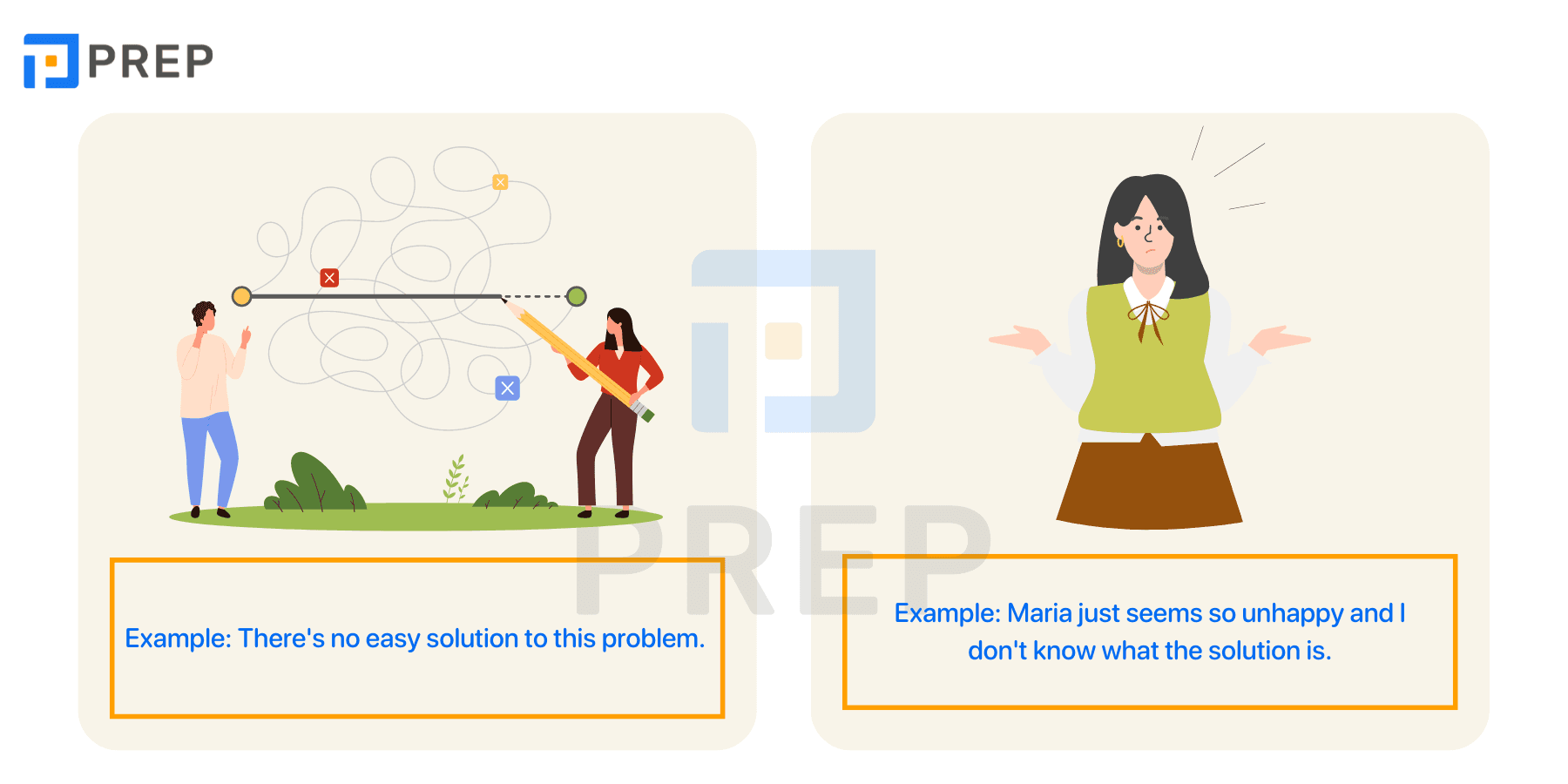
There’s no easy solution to climate change. |
|
search for a solution |
Common in Problem–Solution contexts |
Scientists are still searching for a solution. |
|
arrive at a solution |
Formal, used in reasoning context |
We eventually arrived at a mutually beneficial solution. |
|
contribute to a solution |
Implies partial help rather than main fix |
Education can contribute to a solution for poverty. |
|
work toward a solution |
Shows process or effort before final answer |
The two sides are working toward a peaceful solution. |
|
be part of the solution |
Often used contrastively with “part of the problem” |
Everyone should be part of the solution, not part of the problem. |
|
deliver a solution |
Common in business or tech sectors |
Our software is designed to deliver effective solutions. |
|
tailor a solution (to) |
Suggests customisation |
We can tailor a solution to fit the client’s needs. |
|
viable solution to a complex issue |
Shows advanced vocabulary + clear academic tone |
There seems to be no viable solution to the refugee crisis. |
By mastering these collocations, you’ll be better equipped to:
-
Enhance lexical variety in essays
-
Sound more natural and formal in writing
-
Avoid awkward word combinations
-
Score higher in the lexical resource band of exams like IELTS
You can expand your lexical range by learning learn synonyms in english.
III. Solution vs Similar Words in Collocations
In English, precise word choice is essential—especially in academic contexts. Although words like solution, answer, method, and approach may appear similar in meaning, they are not always interchangeable. Each word forms different collocations, is used in different grammatical structures, and comes with a specific register and semantic focus.
Confusing these commonly misused synonyms can lead to awkward or incorrect expressions in writing.
Solution vs Answer
These words both indicate responses to a problem, but they are used in very different contexts:
|
Aspect |
Solution |
Answer |
|
Register |
Academic / Formal |
General / Informal |
|
Usage |
Used in problems with broader implications |
Used with clear questions or tests |
|
Common Collocations |
find a solution, implement a solution |
give an answer, correct answer |
|
Example |
They proposed a solution to climate change. |
She knew the answer to question 5. |
Key Tip:
-
Use solution when discussing issues like poverty, environmental problems, or social challenges.
-
Use answer for direct questions, math problems, or personal responses.
Solution vs Method
Both words involve ways of dealing with something, but “method” emphasizes the process or technique, while “solution” refers to the outcome.
|
Aspect |
Solution |
Method |
|
Focus |
Outcome / Result |
Process / Procedure |
|
Common Collocations |
simple solution, long-term solution |
research method, scientific method |
|
Grammatical Use |
Countable noun, often with “to” |
Countable, often followed by “for/of” |
|
Example |
This policy is not a sustainable solution. |
The method used was based on observation. |
Key Tip:
-
Use method when you want to highlight how something is done.
-
Use solution when referring to what resolves a problem.
Solution vs Approach
“Approach” refers to a way of thinking about or handling a problem, not necessarily the outcome itself. It is more abstract and often used in analytical or academic writing.
|
Aspect |
Solution |
Approach |
|
Purpose |
The answer or resolution |
The strategy or mindset used |
|
Collocations |
viable solution, implement a solution |
alternative approach, systematic approach |
|
Grammatical Use |
Solution to + noun/gerund |
Approach to + noun/gerund |
|
Example |
We’re seeking a solution to housing issues. |
Their approach to conflict was nonviolent. |
Key Tip:
-
Use approach when analyzing or proposing strategies.
-
Use solution when emphasizing the outcome or result.
Mastering these distinctions will help you produce writing that is not only grammatically correct but also contextually precise—especially important if you're aiming for Band 7.0+ in IELTS Writing or preparing academic essays.
You can explore collocations with education for common essay topics.
IV. Personalized IELTS Preparation
After reading the article, don't forget to take note of the important collocations with Solution and regularly review your knowledge through the exercises. If you’re aiming for IELTS excellence, explore these top-notch resources designed for high achievers below:
-
IELTS course: Unlock Your IELTS Success Story.

Hi I'm Chloe, and I am currently serving as an Product Content Administrator at Prep Education. With over five years of experience in independent online IELTS study and exam preparation, I am confident in my ability to support learners in achieving their highest possible scores.
Comment
Premium content
View all

Personalized roadmap


Most read




UEN: 202227322W
Address: 114 LAVENDER STREET, #11-83 CT HUB 2, SINGAPORE (338729)