Clothes in Chinese: Essential Words and Shopping Phrases
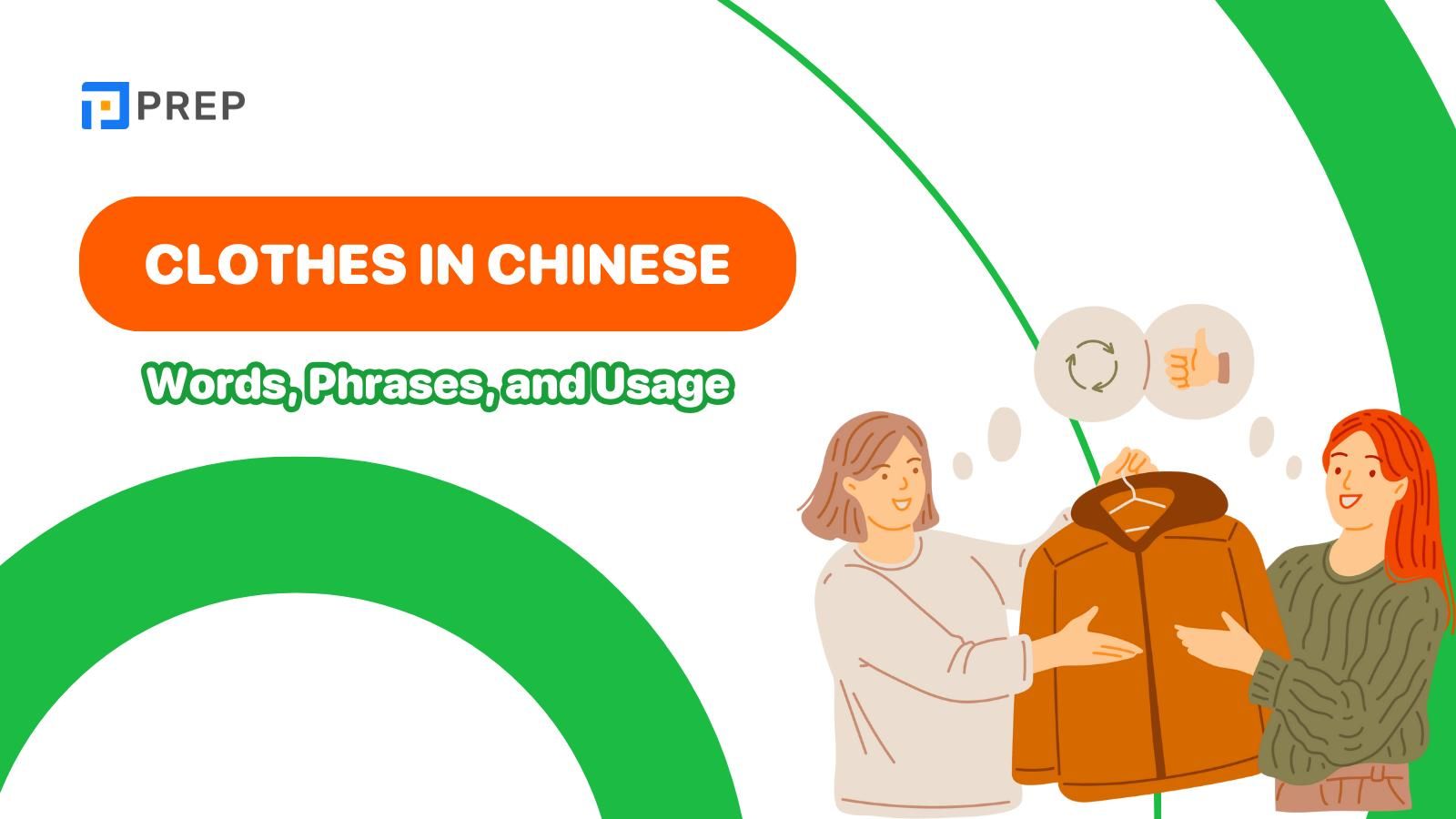
Understanding how to talk about clothes in Chinese is essential for daily communication, travel, and shopping. This guide provides core vocabulary for clothing items, practical phrases for asking about size, color, and availability, and helpful expressions for trying on and purchasing clothes. It also covers key cultural insights on traditional and modern Chinese fashion.
I. Essential Clothes in Chinese Vocabulary
Building a strong foundation in clothing-related vocabulary is essential for both everyday conversation and real-life situations like shopping or describing outfits. In this section, you'll learn the basic and most common Chinese words for clothes, categorized by type and supported with Pinyin and English meanings to help you memorize and apply them more confidently.
The Basic Word for “Clothes” in Chinese: 衣服 (yīfu)
The general word for "clothes" in Chinese is 衣服 (yīfu). This term is widely used to refer to clothing in general, whether casual or formal, and regardless of type. For example:
-
我喜欢买新衣服。
Wǒ xǐhuān mǎi xīn yīfu.
I like buying new clothes.
The character 衣 means "clothing" and 服 refers more to attire or garments. Together, they form the everyday term for garments in Chinese.
Common Clothing Terms You’ll Use Often
Below is a list of general clothing-related words and concepts frequently used in spoken and written Chinese. These terms are useful across multiple situations and levels of formality.
|
Chinese |
Pinyin |
English |
|
衣服 |
yīfu |
clothes |
|
穿 |
chuān |
to wear (clothing) |
|
戴 |
dài |
to wear (accessories/hats) |
|
衣柜 |
yīguì |
wardrobe / closet |
|
试穿 |
shìchuān |
to try on |
|
合适 |
héshì |
suitable, fits well |
|
时尚 |
shíshàng |
fashion / fashionable |
Tops: Shirts, T-Shirts, Sweaters, Jackets
This table lists essential vocabulary for the top half of the body, including casual and outdoor clothing.
|
Chinese |
Pinyin |
English |
|
衬衫 |
chènshān |
shirt |
|
T恤 |
T-xù |
T-shirt |
|
毛衣 |
máoyī |
sweater |
|
外套 |
wàitào |
jacket / coat |
|
夹克 |
jiākè |
jacket |
|
雨衣 |
yǔyī |
raincoat |
|
背心 |
bèixīn |
vest / sleeveless top |
Bottoms: Pants, Skirts, Shorts
These key items help complete your outfit-related vocabulary, especially for shopping and describing what someone is wearing.
|
Chinese |
Pinyin |
English |
|
裤子 |
kùzi |
pants |
|
牛仔裤 |
niúzǎikù |
jeans |
|
裙子 |
qúnzi |
skirt |
|
短裤 |
duǎnkù |
shorts |
|
运动裤 |
yùndòngkù |
sweatpants |
|
长裤 |
chángkù |
long pants |
Accessories and Shoes
Accessories are common in everyday communication, especially when asking about or describing someone’s outfit. Here's a list of useful terms for common accessories and types of footwear.
|
Chinese |
Pinyin |
English |
|
鞋子 |
xiézi |
shoes |
|
靴子 |
xuēzi |
boots |
|
拖鞋 |
tuōxié |
slippers / sandals |
|
袜子 |
wàzi |
socks |
|
帽子 |
màozi |
hat |
|
眼镜 |
yǎnjìng |
glasses |
|
围巾 |
wéijīn |
scarf |
|
手套 |
shǒutào |
gloves |
|
背包 |
bèibāo |
backpack / bag |
Whether you're preparing for travel, studying for HSK, or just expanding your everyday vocabulary, these lists of essential words will help you confidently build sentences, understand descriptions, and shop with ease in Chinese-speaking environments.
II. How to Describe Clothes in Chinese
Knowing basic clothing vocabulary is a great start, but to communicate clearly and naturally in real-life situations, you also need to describe clothes — their color, fit, style, and more. In this section, you’ll learn the most essential adjectives, size-related phrases, and useful verbs to fully describe clothing in Chinese, whether you're having a conversation, shopping, or writing an HSK sentence.
Vocabulary for Describing Colors, Sizes, and Styles
Being able to describe what someone is wearing — or ask about clothing — starts with mastering color words and size terms. Use them to build clear, descriptive sentences about different kinds of outfits.
|
Chinese |
Pinyin |
English |
|
红色 |
hóngsè |
red |
|
蓝色 |
lánsè |
blue |
|
黑色 |
hēisè |
black |
|
白色 |
báisè |
white |
|
黄色 |
huángsè |
yellow |
|
绿色 |
lǜsè |
green |
|
灰色 |
huīsè |
gray |
|
粉色 |
fěnsè |
pink |
|
大号 |
dà hào |
large size (L) |
|
中号 |
zhōng hào |
medium size (M) |
|
小号 |
xiǎo hào |
small size (S) |
|
宽 |
kuān |
loose |
|
紧 |
jǐn |
tight |
|
长 |
cháng |
long |
|
短 |
duǎn |
short |
|
厚 |
hòu |
thick |
|
薄 |
báo |
thin |
|
时尚 |
shíshàng |
fashionable |
|
传统 |
chuántǒng |
traditional |
|
简单 |
jiǎndān |
simple |
Example sentence patterns:
-
这条裙子是红色的。
This skirt is red. -
我喜欢穿比较宽的衣服。
I like to wear looser clothes. -
他穿了一件很时尚的外套。
He's wearing a very fashionable jacket.
Key Verbs and Adjectives to Talk About Clothes
Describing clothes isn't just a matter of listing colors and styles. You also need action verbs for wearing, putting on, matching, liking, and buying clothes — along with adjectives that express opinions and preferences.
Common Verbs Related to Clothes
|
Chinese |
Pinyin |
English Meaning |
|
穿 |
chuān |
to wear (clothing) |
|
戴 |
dài |
to wear (accessory) |
|
脱 |
tuō |
to take off |
|
试穿 |
shìchuān |
to try on |
|
买 |
mǎi |
to buy |
|
卖 |
mài |
to sell |
|
看起来 |
kànqǐlái |
looks... (appearance) |
|
合适 |
héshì |
fits well / suitable |
|
配 |
pèi |
to match |
Descriptive Adjectives and Phrases
|
Chinese |
Pinyin |
English Meaning |
|
好看 |
hǎokàn |
good-looking |
|
难看 |
nánkàn |
ugly / not nice-looking |
|
合身 |
héshēn |
well-fitted |
|
漂亮 |
piàoliang |
beautiful |
|
新 |
xīn |
new |
|
旧 |
jiù |
old (in condition) |
|
干净 |
gānjìng |
clean |
|
脏 |
zāng |
dirty |
|
合身,太紧 |
héshēn, tài jǐn |
fits, too tight |
Practical example sentences:
-
这件衬衫看起来很新,也很合身。
This shirt looks new and fits well. -
我可以试穿这条裤子吗?
Can I try on these pants? -
这顶帽子和我的鞋子很配。
This hat matches my shoes well.
Mastering these everyday adjectives and action verbs will help you speak more fluently when describing what you're wearing, asking someone about their clothes, or interacting in stores — both online and in person.
III. Useful Phrases for Shopping and Trying Clothes in Chinese
If you're planning to shop for clothes in a Chinese-speaking environment, it’s important to know more than just clothing vocabulary. You’ll need useful phrases for asking about sizes, requesting help, trying items on, and making purchases. This section introduces everyday shopping expressions that will help you find clothes you like and understand how to communicate politely and effectively in stores.
Asking About Size, Color, and Availability
These phrases will help you inquire about item availability, sizes, and color options when browsing or pointing to something you'd like to try.
|
Chinese |
Pinyin |
English |
|
请问这个有大号的吗? |
Qǐngwèn zhège yǒu dàhào de ma? |
Does this come in a large size? |
|
有其他颜色吗? |
Yǒu qítā yánsè ma? |
Do you have other colors? |
|
有没有小一点的? |
Yǒu méiyǒu xiǎo yīdiǎn de? |
Do you have a smaller one? |
|
我可以试一下吗? |
Wǒ kěyǐ shì yīxià ma? |
Can I try it on? |
|
这件衣服还有货吗? |
Zhè jiàn yīfu hái yǒu huò ma? |
Is this item still in stock? |
Requesting Help or Making Specific Requests
Once you're in the store or changing room, these expressions allow you to ask for assistance or clearly state what you're looking for.
|
Chinese |
Pinyin |
English |
|
我想买一件外套。 |
Wǒ xiǎng mǎi yī jiàn wàitào. |
I’d like to buy a jacket. |
|
请帮我找一下同款的裤子。 |
Qǐng bāng wǒ zhǎo yīxià tóngkuǎn de kùzi. |
Please help me find the same style of pants. |
|
有没有适合夏天穿的衣服? |
Yǒu méiyǒu shìhé xiàtiān chuān de yīfu? |
Do you have clothes suitable for summer? |
|
我在找一件黑色的衬衫。 |
Wǒ zài zhǎo yī jiàn hēisè de chènshān. |
I'm looking for a black shirt. |
|
请问试衣间在哪里? |
Qǐngwèn shìyījiān zài nǎlǐ? |
Where is the fitting room? |
Talking About Payment, Delivery, and Returns
Once you’ve found what you want, these phrases help you complete the purchase or ask about store policies, especially when shopping in person or online.
|
Chinese |
Pinyin |
English |
|
总共多少钱? |
Zǒnggòng duōshǎo qián? |
How much is it in total? |
|
你们收现金吗? |
Nǐmen shōu xiànjīn ma? |
Do you accept cash? |
|
可以刷卡吗? |
Kěyǐ shuākǎ ma? |
Can I pay by card? |
|
有没有打折? |
Yǒu méiyǒu dǎzhé? |
Is there a discount? |
|
可以退货吗? |
Kěyǐ tuìhuò ma? |
Can I return this? |
|
运费是多少? |
Yùnfèi shì duōshǎo? |
How much is the shipping fee? |
|
我想换一个尺寸。 |
Wǒ xiǎng huàn yīgè chǐcùn. |
I’d like to exchange for another size. |
By practicing these shopping expressions regularly, you’ll be more confident when browsing, asking questions, or making purchases in Chinese. Whether you're shopping at a local market or on an app like Taobao, knowing how to express what you need will make the entire process more comfortable and successful.
IV. Cultural Insights on Clothing in China
Understanding how clothing functions in Chinese culture goes beyond knowing the names of garments. Like in many societies, clothes in China reflect identity, occasion, social values, and historical legacy.
Traditional vs. Modern Chinese Clothing
China has a long and diverse clothing history. While most people today wear modern, Western-style attire in daily life, traditional clothing still appears in ceremonial, academic, or artistic contexts.
Traditional clothing styles include:
-
汉服 (Hànfú) – Literally "Han clothing,” this ancient style dates back over 2,000 years and was traditionally worn by Han Chinese. It’s characterized by long flowing robes, wide sleeves, and wrapped collars. Today, it still appears in festivals, weddings, or cultural performances.
-
旗袍 (Qípáo) – Known as the "cheongsam" in Cantonese, this elegant, body-fitting dress became popular in the 20th century. It is often worn at formal occasions or as a symbol of classical Chinese femininity.
-
唐装 (Tángzhuāng) – Inspired by Qing Dynasty attire but adapted into a modern format. You might see Tang suits during holidays like Chinese New Year.
In contrast, most Chinese people today wear contemporary clothing similar to international styles: jeans, T-shirts, office wear, sportswear, etc. Major cities like Shanghai or Shenzhen follow global fashion trends just like New York or Tokyo.
However, local brands and trends still reflect Chinese preferences—for example, modesty in professional settings and seasonal layering during colder months.
Clothing Etiquette, Formality, and Social Context
In China, how you dress can be closely linked to politeness, social roles, or occasion-specific expectations. While the culture around fashion is rapidly evolving, some longstanding ideas still influence daily life:
1. Dress Modestly and Appropriately
-
Overly revealing or loud outfits may be considered inappropriate in formal or traditional contexts (e.g., temple visits, family dinners).
-
In schools and workplaces, “neat and modest” is generally expected—even if not written as an official rule.
2. Formal Attire for Special Occasions
-
Weddings, business meetings, academic ceremonies, or official events may call for suits, dresses, or even national dress like the Tangzhuang.
-
Bright colors such as red or gold are popular in traditional celebrations, especially during Lunar New Year, representing luck and prosperity.
3. School and Work Uniforms
-
Many schools in China require student uniforms.
-
Some companies have dress codes that reflect hierarchy or the company’s brand values (e.g., banks, airlines, or government offices).
4. Respecting Local Norms While Traveling or Living in China
-
As a foreigner, dressing respectfully in line with Chinese social settings—especially in rural or conservative areas—can avoid misunderstandings and foster cultural harmony.
-
When in doubt, observe what locals are wearing in similar contexts.
Clothing in China tells stories—not just about fashion, but about history, tradition, and respect. By understanding both how to talk about clothes and how they’re viewed culturally, language learners will become not only more fluent, but also more culturally aware and confident in real-life interactions.
Above is the complete guide by PREP on essential clothing vocabulary, shopping phrases, and cultural insight related to clothes in Chinese. We hope this helps you build useful language for everyday conversations, travel, and real-life interactions. Keep practicing with PREP to expand your vocabulary and strengthen your communication skills step by step.
Hi I'm Chloe, and I am currently serving as an Product Content Administrator at Prep Education. With over five years of experience in independent online IELTS study and exam preparation, I am confident in my ability to support learners in achieving their highest possible scores.
Comment
Premium content
View all


Personalized roadmap


Most read



UEN: 202227322W
Address: 114 LAVENDER STREET, #11-83 CT HUB 2, SINGAPORE (338729)