50+ Common Chinese Homophones and How to Differentiate Them
Understanding Chinese homophones is essential for mastering pronunciation, reading fluency, and character distinction. In Mandarin Chinese, many characters share the same exact pronunciation but differ in meaning, writing, and usage. These same-sound words, often referred to as Chinese homonyms, can lead to confusion—or clever wordplay—in both speech and writing.
This guide introduces over 50 of the most common Chinese homophone pairs or sets you’re likely to encounter, along with clear tips on how to tell them apart accurately. Whether you’re learning Chinese for daily communication, academic success, or cultural enjoyment, building a solid recognition of these will prevent misunderstandings and deepen your understanding of the language.
- I. What Are Homophones in Chinese?
- II. Common Chinese Homophones List with Different Meanings
- 1. 会 /huì/, 惠 /huì/, 汇 /huì/, 绘 /huì/, and 慧 /huì/
- 2. 站 /zhàn/ and 战 /zhàn/
- 3. 中 /zhōng/ and 终 /zhōng/
- 4. 是 /shì/ and 事 /shì/
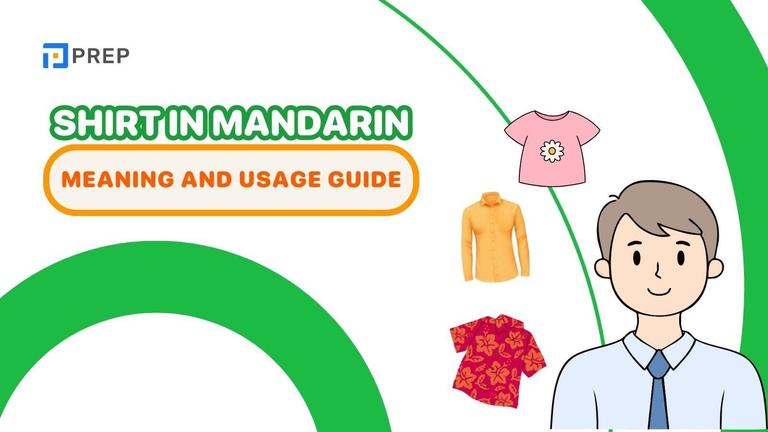
- 5. 山 /shān/ and 衫 /shān/
- 6. 寺 /sì/ and 四 /sì/
- 7. 花 /huā/ and 哗 /huā/
- 8. 心 /xīn/ and 新 /xīn/
- 9. 光 /guāng/ and 广 /guǎng/
- 10. 会 /huì/ and 慧 /huì/
- 11. 为 /wèi/ and 唯 /wéi/
- 12. 发 /fā/ and 法 /fǎ/
- 13. 公 /gōng/ and 工 /gōng/
- 14. 和 /hé/ and 何 /hé/
- 15. 空 /kōng/ and 孔 /kǒng/
- 16. 江 /jiāng/ and 将 /jiāng/
- 17. 姜 /jiāng/ and 酱 /jiàng/
- 18. 声 /shēng/ and 生 /shēng/
- 19. 香 /xiāng/ and 乡 /xiāng/
- 20. 包 /bāo/ and 胞 /bāo/
- 21. 见 /jiàn/ and 剑 /jiàn/
- 22. 前 /qián/ and 钱 /qián/
- 23. 弟 /dì/ and 地 /dì/
- 24. 太 /tài/ and 泰 /tài/
- 25. 食 /shí/ and 实 /shí/
- 26. 木 /mù/ and 目 /mù/
- 27. 孙 /sūn/ and 荪 /sūn/
- 28. 己 /jǐ/ and 纪 /jì/
- 29. 皮 /pí/ and 啤 /pí/
- 30. 国 /guó/ and 果 /guǒ/
- 31. 正 /zhèng/ and 证 /zhèng/
- 32. 脚 /jiǎo/ and 角 /jiǎo/
- 33. 近 /jìn/ and 进 /jìn/
- 34. 书 /shū/ and 输 /shū/
- 35. 蓝 /lán/ and 兰 /lán/
- 36. 搬 /bān/ and 班 /bān/
- 37. 白 /bái/ and 百 /bǎi/
- 38. 期 /qī/ and 七 /qī/
- 39. 姐 /jiě/ and 解 /jiě/
- 40. 香 /xiāng/ and 相 /xiāng/
- 41. 病 /bìng/ and 并 /bìng/
- 42. 候 /hòu/ and 后 /hòu/
- 43. 画 /huà/ and 话 /huà/
- 44. 欢 /huān/ and 环 /huán/
- 45. 晚 /wǎn/ and 碗 /wǎn/
- 46. 间 /jiān/ and 兼 /jiān/
- 47. 爱 /ài/ and 碍 /ài/
- 48. 忘 /wàng/ and 望 /wàng/
- 49. 药 /yào/ and 要 /yào/
- 50. 龙 /lóng/ and 隆 /lóng/
- III. Conclusion

I. What Are Homophones in Chinese?
Homophones in Chinese—known as 同音词 (tóngyīncí)—are words that share the same sound but have different meanings and often different characters. Because Mandarin is a tonal language with a limited number of syllables, homophones are abundant.
For learners, this presents two essential challenges:
-
They sound the same but mean something completely different
-
They are written with different characters that can share similar radicals
Some homophones are even used in Chinese homophone sentences as jokes or puns, especially during holidays and festivals. Others may appear in Chinese poetic writing, satire, or tech slang.
To help you navigate these word pairs, we’ve compiled a Chinese homophones list that you can refer to throughout your learning journey.
II. Common Chinese Homophones List with Different Meanings
Below is a categorized list of similar-sounding but semantically different words grouped by pronunciation, tone, and frequency of use.
1. 会 /huì/, 惠 /huì/, 汇 /huì/, 绘 /huì/, and 慧 /huì/
|
Chinese Homophones |
Pinyin |
Meaning |
Example |
|
会 (v/n) |
huì |
Can, will, meeting |
我我会说中文。/Wǒ huì shuō Zhōngwén./: I can speak Chinese. |
|
惠 (n) |
huì |
Favor, benefit, discount |
给顾客优惠。/Gěi gùkè yōuhuì./: Give customers a discount. |
|
汇 (v/n) |
huì |
Converge, remit (money) |
江水汇入海。/Jiāngshuǐ huì rù hǎi./: River water converges into the sea. |
|
绘 (v) |
huì |
Draw, paint |
他会绘画。/Tā huì huìhuà./: He knows how to paint. |
|
慧 (n) |
huì |
Wisdom, intelligence |
她很有智慧。/Tā hěn yǒu zhìhuì./: She is very wise. |
2. 站 /zhàn/ and 战 /zhàn/
|
Chinese Homophones |
Pinyin |
Meaning |
Example |
|
站 (v/n) |
zhàn |
Stand, station |
请站起来。/Qǐng zhàn qǐlái./: Please stand up. |
|
战 (n/v) |
zhàn |
Fight, war |
他们在讨论战争。/Tāmen zài tǎolùn zhànzhēng./: They are discussing the war. |
3. 中 /zhōng/ and 终 /zhōng/
|
Chinese Homophones |
Pinyin |
Meaning |
Example |
|
中 (n/adj) |
zhōng |
Middle, inside |
我在房间中。/Wǒ zài fángjiān zhōng./: I am in the room. |
|
终 (v/adv) |
zhōng |
End, finally |
他终将成功。/Tā zhōng jiāng chénggōng./: He will eventually succeed. |
4. 是 /shì/ and 事 /shì/
|
Chinese Homophones |
Pinyin |
Meaning |
Example |
|
是 (v) |
shì |
Is/am/are, to be |
他是老师。/Tā shì lǎoshī./: He is a teacher. |
|
事 (n) |
shì |
Matter, business, thing |
我有很多事要做。/Wǒ yǒu hěnduō shì yào zuò./: I have many things to do. |
5. 山 /shān/ and 衫 /shān/
|
Chinese Homophones |
Pinyin |
Meaning |
Example |
|
山 (n) |
shān |
Mountain |
我们去爬山吧。/Wǒmen qù páshān ba./: Let's go mountain climbing. |
|
衫 (n) |
shān |
Shirt, upper garment |
我买了新衬衫。/Wǒ mǎi le xīn chènshān./: I bought a new shirt. |
6. 寺 /sì/ and 四 /sì/
|
Chinese Homophones |
Pinyin |
Meaning |
Example |
|
寺 (n) |
sì |
Temple |
那座寺很有名。/Nà zuò sì hěn yǒumíng./: That temple is very famous. |
|
四 (num) |
sì |
Number 4 |
我有四本书。/Wǒ yǒu sì běn shū./: I have 4 books. |
7. 花 /huā/ and 哗 /huā/
|
Chinese Homophones |
Pinyin |
Meaning |
Example |
|
花 (n/v) |
huā |
Flower, to spend |
我买了一朵花。/Wǒ mǎi le yì duǒ huā./: I bought a flower. |
|
哗 (ono) |
huā |
Sound of rushing water |
水哗哗地流。/Shuǐ huā huā de liú./: The water is rushing/gurgling. |
8. 心 /xīn/ and 新 /xīn/
|
Chinese Homophones |
Pinyin |
Meaning |
Example |
|
心 (n) |
xīn |
Heart, mind |
他的心很善良。/Tā de xīn hěn shànliáng./: He has a very kind heart. |
|
新 (adj) |
xīn |
New |
我买了新书。/Wǒ mǎi le xīnshū./: I bought a new book. |
9. 光 /guāng/ and 广 /guǎng/
(Note: These are near-homophones with different tones)
|
Chinese Homophones |
Pinyin |
Meaning |
Example |
|
光 (n/adj) |
guāng |
Light, bare, empty |
屋里有阳光。/Wū li yǒu yángguāng./: There is sunlight in the room. |
|
广 (adj) |
guǎng |
Wide, vast, broad |
这个地区很广大。/Zhège dìqū hěn guǎngdà./: This area is very vast. |
10. 会 /huì/ and 慧 /huì/
|
Chinese Homophones |
Pinyin |
Meaning |
Example |
|
会 (v/n) |
huì |
Will, meeting |
我下周会参加会议。/Wǒ xià zhōu huì cānjiā huìyì./: I will attend a meeting next week. |
|
慧 (n) |
huì |
Wisdom |
她很有智慧。/Tā hěn yǒu zhìhuì./: She is very wise. |
11. 为 /wèi/ and 唯 /wéi/
|
Chinese Homophones |
Pinyin |
Meaning |
Example |
|
为 (prep/v) |
wèi |
For, for the sake of |
为你好,我劝你学习。/Wèi nǐ hǎo, wǒ quàn nǐ xuéxí./: For your own good, I advise you to study. |
|
唯 (adv) |
wéi |
Only, unique |
唯有努力才能成功。/Wéi yǒu nǔlì cáinéng chénggōng./: Only through hard work can one succeed. |
12. 发 /fā/ and 法 /fǎ/
|
Chinese Homophones |
Pinyin |
Meaning |
Example |
|
发 (v) |
fā |
To send, to issue |
我给你发邮件。/Wǒ gěi nǐ fā yóujiàn./: I am sending you an email. |
|
法 (n) |
fǎ |
Law, method |
这是个好方法。/Zhè shì gè hǎo fāngfǎ./: This is a good method. |
13. 公 /gōng/ and 工 /gōng/
|
Chinese Homophones |
Pinyin |
Meaning |
Example |
|
公 (adj/n) |
gōng |
Public, common |
这是公园。/Zhè shì gōngyuán./: This is a park. |
|
工 (n) |
gōng |
Work, worker |
工人很辛苦。/Gōngrén hěn xīnkǔ./: Workers work very hard. |
14. 和 /hé/ and 何 /hé/
|
Chinese Homophones |
Pinyin |
Meaning |
Example |
|
和 (conj) |
hé |
And, with |
我和你一起去。/Wǒ hé nǐ yìqǐ qù./: You and I go together. |
|
何 (pron) |
hé |
What, which |
何事让你烦恼?/Héshì ràng nǐ fánnǎo/: What is bothering you? |
15. 空 /kōng/ and 孔 /kǒng/
|
Chinese Homophones |
Pinyin |
Meaning |
Example |
|
空 (adj/n) |
kōng |
Empty, sky |
房间很空。/Fángjiān hěn kōng./: The room is very empty. |
|
孔 (n) |
kǒng |
Hole, aperture |
墙上有个小孔。/Qiáng shàng yǒu gè xiǎo kǒng./: There is a small hole in the wall. |
16. 江 /jiāng/ and 将 /jiāng/
|
Chinese Homophones |
Pinyin |
Meaning |
Example |
|
江 (n) |
jiāng |
Large river |
长江很有名。/Chángjiāng hěn yǒumíng./: The Yangtze River is very famous. |
|
将 (adv/v) |
jiāng |
Will, about to |
我将去旅行。/Wǒ jiāng qù lǚxíng./: I am about to go on a trip. |
17. 姜 /jiāng/ and 酱 /jiàng/
|
Chinese Homophones |
Pinyin |
Meaning |
Example |
|
姜 (n) |
jiāng |
Ginger |
我加点姜。/Wǒ jiādiǎn jiāng./: I'll add a little ginger. |
|
酱 (n) |
jiàng |
Sauce, paste |
我我要一些辣酱。/Wǒ yào yìxiē làjiàng./: I want some hot sauce. |
18. 声 /shēng/ and 生 /shēng/
|
Chinese Homophones |
Pinyin |
Meaning |
Example |
|
声 (n) |
shēng |
Sound, voice |
我听不到声音。/Wǒ tīng bú dào shēngyīn./: I can't hear the sound. |
|
生 (v/adj) |
shēng |
To be born, life, raw |
他生于中国。/Tā shēng yú zhōngguó./: He was born in China. |
19. 香 /xiāng/ and 乡 /xiāng/
|
Chinese Homophones |
Pinyin |
Meaning |
Example |
|
香 (adj/n) |
xiāng |
Fragrant, incense |
饭很香。/Fàn hěn xiāng./: The food smells delicious. |
|
乡 (n) |
xiāng |
Hometown, countryside |
我的家乡很美。/Wǒ de jiāxiāng hěn měi./: My hometown is very beautiful. |
20. 包 /bāo/ and 胞 /bāo/
|
Chinese Homophones |
Pinyin |
Meaning |
Example |
|
包 (n/v) |
bāo |
Bag, to wrap |
我有一个包。/Wǒ yǒu yí ge bāo./: I have a bag. |
|
胞 (n) |
bāo |
Cell (biology) |
细胞很小。/Xìbāo hěn xiǎo./: Cells are very small. |
21. 见 /jiàn/ and 剑 /jiàn/
|
Chinese Homophones |
Pinyin |
Meaning |
Example |
|
见 (v) |
jiàn |
To see, to meet |
我明天见你。/Wǒ míngtiān jiàn nǐ./: I'll see you tomorrow. |
|
剑 (n) |
jiàn |
Sword |
他拿着一把剑。/Tā názhe yì bǎ jiàn./: He is holding a sword. |
22. 前 /qián/ and 钱 /qián/
|
Chinese Homophones |
Pinyin |
Meaning |
Example |
|
前 (n/adj) |
qián |
Front, before |
我在你前面。/Wǒ zài nǐ qiánmiàn./: I am in front of you. |
|
钱 (n) |
qián |
Money |
我没有钱。/Wǒ méiyǒu qián./: I have no money. |
23. 弟 /dì/ and 地 /dì/
|
Chinese Homophones |
Pinyin |
Meaning |
Example |
|
弟 (n) |
dì |
Younger brother |
我有个弟弟。/Wǒ yǒu gè dìdi./: I have a younger brother. |
|
地 (n/part) |
dì |
Earth, ground, -ly |
地面很干净。/Dìmiàn hěn gānjìng./: The ground is very clean. |
24. 太 /tài/ and 泰 /tài/
|
Chinese Homophones |
Pinyin |
Meaning |
Example |
|
太 (adv) |
tài |
Too, extremely |
太好了!/Tài hǎo le!/: Great! |
|
泰 (n/adj) |
tài |
Peaceful, Thai |
泰国很有趣。/Tàiguó hěn yǒuqù./: Thailand is very interesting. |
25. 食 /shí/ and 实 /shí/
|
Chinese Homophones |
Pinyin |
Meaning |
Example |
|
食 (n/v) |
shí |
Food, to eat |
食物很美味。/Shíwù hěn měiwèi./: The food is delicious. |
|
实 (adj) |
shí |
Real, honest |
这个消息真实吗?/Zhège xiāoxī zhēnshí ma?/: Is this news real? |
26. 木 /mù/ and 目 /mù/
|
Chinese Homophones |
Pinyin |
Meaning |
Example |
|
木 (n) |
mù |
Wood, tree |
这张桌子是木的。/Zhè zhāng zhuōzi shì mù de./: This table is made of wood. |
|
目 (n) |
mù |
Eye, target |
目标很明确。/Mùbiāo hěn míngquè./: The goal is very clear. |
27. 孙 /sūn/ and 荪 /sūn/
|
Chinese Homophones |
Pinyin |
Meaning |
Example |
|
孙 (n) |
sūn |
Grandson |
我有一个孙子。/Wǒ yǒu yí ge sūnzǐ./: I have a grandson. |
|
荪 (n) |
sūn |
A type of fragrant herb |
荪是一种香草。/Sūn shì yī zhǒng xiāngcǎo./: "Sun" is a type of aromatic herb. |
28. 己 /jǐ/ and 纪 /jì/
|
Chinese Homophones |
Pinyin |
Meaning |
Example |
|
己 (pron) |
jǐ |
Self |
知己知彼。/Zhījǐzhībǐ./: Know yourself and know your enemy. |
|
纪 (n) |
jì |
Era, discipline |
21世纪 /21 Shìjì/: 21st Century. |
29. 皮 /pí/ and 啤 /pí/
|
Chinese Homophones |
Pinyin |
Meaning |
Example |
|
皮 (n) |
pí |
Skin, peel |
香蕉皮 /Xiāngjiāo pí/: Banana peel. |
|
啤 (n) |
pí |
Beer (used in 啤酒) |
我喜欢喝啤酒。/Wǒ xǐhuān hē píjiǔ./: I like drinking beer. |
30. 国 /guó/ and 果 /guǒ/
|
Chinese Homophones |
Pinyin |
Meaning |
Example |
|
国 (n) |
guó |
Country, nation |
中国很大。/Zhōngguó hěn dà./: China is very large. |
|
果 (n) |
guǒ |
Fruit, result |
这个水果甜。/Zhège shuǐguǒ tián./: This fruit is sweet. |
31. 正 /zhèng/ and 证 /zhèng/
|
Chinese Homophones |
Pinyin |
Meaning |
Example |
|
正 (adj/adv) |
zhèng |
Main, correct, upright |
现在是正午。/Xiànzài shì zhèngwǔ./: Now it is noon. |
|
证 (n/v) |
zhèng |
Certificate, to prove |
我需要身份证。/Wǒ xūyào shēnfèn zhèng./: I need an ID card. |
32. 脚 /jiǎo/ and 角 /jiǎo/
|
Chinese Homophones |
Pinyin |
Meaning |
Example |
|
脚 (n) |
jiǎo |
Foot |
我的脚疼。/Wǒ de jiǎo téng./: My foot hurts. |
|
角 (n) |
jiǎo |
Corner, horn |
房间有四个角/Fángjiān yǒu sì gè jiǎo/: The room has four corners. |
33. 近 /jìn/ and 进 /jìn/
|
Chinese Homophones |
Pinyin |
Meaning |
Example |
|
近 (adj) |
jìn |
Near, close |
我家离这很近。/Wǒ jiā lí zhè hěn jìn./: My house is very close to here. |
|
进 (v) |
jìn |
Enter, advance |
请进!/Qǐng jìn!/: Please come in! |
34. 书 /shū/ and 输 /shū/
|
Chinese Homophones |
Pinyin |
Meaning |
Example |
|
书 (n) |
shū |
Book |
我在看书。/Wǒ zài kànshū./: I am reading a book. |
|
输 (v) |
shū |
To lose, to transport |
我们输了比赛。/Wǒmen shū le bǐsài./: We lost the match. |
35. 蓝 /lán/ and 兰 /lán/
|
Chinese Homophones |
Pinyin |
Meaning |
Example |
|
蓝 (adj) |
lán |
Blue color |
天空很蓝。/Tiānkōng hěn lán./: The sky is very blue. |
|
兰 (n) |
lán |
Orchid |
我喜欢兰花。/Wǒ xǐhuan lánhuā./: I like orchids. |
36. 搬 /bān/ and 班 /bān/
|
Chinese Homophones |
Pinyin |
Meaning |
Example |
|
搬 (v) |
bān |
To move, to shift |
我搬家了。/Wǒ bānjiā le./: I moved house. |
|
班 (n) |
bān |
Class, shift |
我在三班。/Wǒ zài sān bān./: I am in Class 3. |
37. 白 /bái/ and 百 /bǎi/
|
Chinese Homophones |
Pinyin |
Meaning |
Example |
|
白 (adj) |
bái |
White color |
墙是白色的。/Qiáng shì báisè de./: The wall is white. |
|
百 (num) |
bǎi |
Number 100 |
我有一百块钱。/Wǒ yǒu yì bǎi kuài qián./: I have 100 yuan. |
38. 期 /qī/ and 七 /qī/
|
Chinese Homophones |
Pinyin |
Meaning |
Example |
|
期 (n) |
qī |
Period, phase |
下期见 /Xiàqī jiàn/: See you next time. |
|
七 (num) |
qī |
Number 7 |
我有七个苹果。/Wǒ yǒu qī gè píngguǒ./: I have 7 apples. |
39. 姐 /jiě/ and 解 /jiě/
|
Chinese Homophones |
Pinyin |
Meaning |
Example |
|
姐 (n) |
jiě |
Elder sister |
我有一个姐姐。/Wǒ yǒu yí ge jiějie./: I have an elder sister. |
|
解 (v) |
jiě |
To solve, to untie |
我不理解。/Wǒ bù lǐjiě./: I don't understand. |
40. 香 /xiāng/ and 相 /xiāng/
|
Chinese Homophones |
Pinyin |
Meaning |
Example |
|
香 (adj) |
xiāng |
Fragrant |
饭很香。/Fàn hěn xiāng./: The food smells delicious. |
|
相 (v/n) |
xiāng |
Mutually, phase/appearance |
我们相互帮助。/Wǒmen xiānghù bāngzhù./: We help each other. |
41. 病 /bìng/ and 并 /bìng/
|
Chinese Homophones |
Pinyin |
Meaning |
Example |
|
病 (n/v) |
bìng |
Sickness, to be ill |
我生病了。/Wǒ shēngbìng le./: I am sick. |
|
并 (adv) |
bìng |
And, (not) at all |
我并不知道。/Wǒ bìng bù zhīdào./: I didn't know at all. |
42. 候 /hòu/ and 后 /hòu/
|
Chinese Homophones |
Pinyin |
Meaning |
Example |
|
候 (v) |
hòu |
To wait, time |
等候一下/Děnghòu yíxià/: Wait a moment. |
|
后 (n/dir) |
hòu |
After, behind |
我在你后面。/Wǒ zài nǐ hòumiàn./: I am behind you. |
43. 画 /huà/ and 话 /huà/
|
Chinese Homophones |
Pinyin |
Meaning |
Example |
|
画 (v/n) |
huà |
To draw, painting |
我喜欢画画。/Wǒ xǐhuan huà huà./: I like painting. |
|
话 (n) |
huà |
Speech, words |
他说了很多话。/Tā shuō le hěnduō huà./: He said a lot of things. |
44. 欢 /huān/ and 环 /huán/
|
Chinese Homophones |
Pinyin |
Meaning |
Example |
|
欢 (adj) |
huān |
Happy, joyful |
他很欢快。/Tā hěn huānkuài./: He is very cheerful. |
|
环 (n) |
huán |
Ring, environment |
地球是个环形。/Dìqiú shìgè huánxíng./: The Earth is ring-shaped. |
45. 晚 /wǎn/ and 碗 /wǎn/
|
Chinese Homophones |
Pinyin |
Meaning |
Example |
|
晚 (adj) |
wǎn |
Late, evening |
我来晚了。/Wǒ lái wǎn le./: I arrived late. |
|
碗 (n) |
wǎn |
Bowl |
一碗饭。/Yì wǎn fàn/: A bowl of rice. |
46. 间 /jiān/ and 兼 /jiān/
|
Chinese Homophones |
Pinyin |
Meaning |
Example |
|
间 (n/mw) |
jiān |
Room, between |
我住在这间房。/Wǒ zhù zài zhè jiān fáng./: I live in this room. |
|
兼 (v) |
jiān |
Simultaneously, hold two posts |
他兼两份工作。/Tā jiān liǎng fèn gōngzuò./: He holds two jobs. |
47. 爱 /ài/ and 碍 /ài/
|
Chinese Homophones |
Pinyin |
Meaning |
Example |
|
爱 (v) |
ài |
Love, like |
我爱你。/Wǒ ài nǐ./: I love you. |
|
碍 (v) |
ài |
Hinder, obstruct |
不要妨碍我。/Bú yào fáng'ài wǒ./: Don't get in my way. |
48. 忘 /wàng/ and 望 /wàng/
|
Chinese Homophones |
Pinyin |
Meaning |
Example |
|
忘 (v) |
wàng |
Forget |
我忘了你的名字。/Wǒ wàng le nǐ de míngzi./: I forgot your name. |
|
望 (v) |
wàng |
Look into the distance, hope |
我望着天空。/Wǒ wàngzhe tiānkōng./: I'm looking at the sky. |
49. 药 /yào/ and 要 /yào/
|
Chinese Homophones |
Pinyin |
Meaning |
Example |
|
药 (n) |
yào |
Medicine |
我需要药。/Wǒ xūyào yào./: I need medicine. |
|
要 (v/aux) |
yào |
Want, need, must |
我要学习。/Wǒ yào xuéxí./: I want to study. |
50. 龙 /lóng/ and 隆 /lóng/
|
Chinese Homophones |
Pinyin |
Meaning |
Example |
|
龙 (n) |
lóng |
Dragon |
龙是中国的象征。/Lóng shì Zhōngguó de xiàngzhēng./: The dragon is a symbol of China. |
|
隆 (adj) |
lóng |
Grand, prosperous, high |
隆重的典礼 /Lóngzhòng de diǎnlǐ/: A grand ceremony. |
III. Conclusion
Chinese homophones can be challenging at first, but they reveal the language’s elegant efficiency in expressing rich vocabulary with limited sounds. By learning character structure, strengthening contextual awareness, and practicing ways to distinguish similar-sounding words, you turn confusion into pattern recognition that speeds up language acquisition. These fifty-plus common pairs are part of everyday vocabulary, so learning to tell them apart quickly improves reading, listening, and communication. Think of homophones as a window into how Chinese combines pronunciation, character form, context, and grammar to convey meaning in precise and nuanced ways—rewarding dedicated learners with deeper insight into the language.

Hi I'm Chloe, and I am currently serving as an Product Content Administrator at Prep Education. With over five years of experience in independent online IELTS study and exam preparation, I am confident in my ability to support learners in achieving their highest possible scores.
Comment
Premium content
View all


Personalized roadmap


Most read


UEN: 202227322W
Address: 114 LAVENDER STREET, #11-83 CT HUB 2, SINGAPORE (338729)