Cui Pronunciation in Mandarin: Tones and Examples
Many Mandarin learners struggle with cui pronunciation because it combines an aspirated initial with a compound final and tone changes. This guide explains how cui is pronounced in pinyin, compares it with similar sounds like chui and zui, and provides common word examples to improve listening and speaking accuracy.

I. Cui Pronunciation with Mandarin Tones
The Mandarin syllable “cui” is a common and useful sound that appears in many everyday Chinese words. For learners unfamiliar with Pinyin or Chinese phonetics, “cui” might appear confusing—especially because of its combination of a sharp initial consonant and a gliding final vowel, plus the variation of tones.
In Pinyin, “cui” consists of two parts:
-
Initial: c – This is a voiceless aspirated affricate, close to a "ts" sound in “cats,” but pronounced with a stronger puff of air. It is not the same as the English “k” or “ch”.
-
Final: ui – This is a compound vowel (diphthong), combining “u” and “i”, pronounced quickly as one unit. Native pronunciation is closer to “way” but with a tighter vowel transition.
When combined, “cui” can sound like “tsway” to English speakers, but it's shorter, sharper, and must follow tone rules in Mandarin.
Cui with Four Mandarin Tones
In Mandarin Chinese, applying the correct tone changes the meaning entirely—even if the pronunciation of “cui” stays the same otherwise. Below is a breakdown of “cui” with all four tones:
|
Tone |
Pinyin |
Pitch Pattern |
Example Character |
Meaning |
|
First tone |
cuī |
High and level |
催 |
to urge; to rush |
|
Second tone |
cuí |
Rising, like a question |
(less common) |
(rare) |
|
Third tone |
cuǐ |
Falling then rising |
翠 |
emerald green |
|
Fourth tone |
cuì |
Sharp downward fall |
脆 |
crispy; fragile |
Note: The first and fourth tones are the most common in real usage.
Common Pronunciation Mistakes with “Cui” Tones
-
Neutralizing the tone: Learners sometimes pronounce "cui" with a flat intonation—for example, using cuī (first tone) but dropping to cuì (fourth tone) unknowingly. This affects comprehension, especially in formal assessments or tone-sensitive sentences.
-
Overemphasizing the final “i”: In native speech, “ui” ends quickly with almost no strong “ee” sound at the end. Making it too long (e.g., “tsu-ee”) can sound unnatural.
-
Consonant substitution: English speakers often confuse “c” with sounds like “ch” or “k”, but “c” in Pinyin is distinctly sharper and more fronted (tip of the tongue touches behind the top teeth).
-
Misreading without tone awareness: Many learners encounter “cui” in names (like the surname 崔 – cuī) and pronounce it as if it were English or without tone altogether, making their speech sound flat or anglicized.
II. Cui Pronunciation vs Similar Mandarin Sounds
For Mandarin learners, “cui” can be tricky—not just because of tones, but because it looks and sounds similar to other syllables like “chui” and “zui.” Mispronouncing these can lead to misunderstandings in spoken communication, especially when native speakers rely on tone and consonant accuracy to distinguish between words.
Let’s look at how “cui” compares to these similar sounds, and how you can develop a sharper ear and mouth for their differences.
Comparing “Cui” and “Chui”
|
Category |
Cui (cùi) |
Chui (chuì) |
|
Initial |
c (voiceless aspirated affricate) |
ch (aspirated retroflex) |
|
Tongue position |
Tongue tip touches back of upper teeth |
Tongue curls slightly back into retroflex |
|
Example word |
脆 (cuì) – crispy |
吹 (chuī) – to blow |
Key differences:
-
The initial “c” is crisp and sharp, like "ts" in “cats.”
-
The initial “ch” is softer but heavier, pronounced with the tongue curled slightly backward (retroflex).
-
Try saying both in front of a mirror: see how the mouth opens differently and the tongue posture shifts back for “ch.”
Common learner mistake: Saying “cui” as “chui” by default because "ch" feels more natural in English phonetics.
Comparing “Cui” and “Zui”
|
Category |
Cui (cuì) |
Zui (zuì) |
|
Initial |
c (aspirated) |
z (unaspirated affricate) |
|
Voicing |
Voiceless |
Voiced-like (but actually unvoiced) |
|
Example word |
崔 (cuī) – (surname) |
醉 (zuì) – drunk |
Key differences:
-
The “c” sound lets out a noticeable puff of air (aspiration) after the tongue releases.
-
The “z” sound is tighter and released with less aspiration, like “dz.”
-
Place your hand in front of your mouth: when saying “cui,” you’ll feel a strong air burst; with “zui,” less so.
Common learner mistake: Letting tone accuracy drop due to focusing too much on consonant contrast → practice slowly and tone by tone.
Common Patterns Across "-ui" Finals
All these syllables—cui, chui, zui, sui, tui, kui…—share the same final “ui”, so the vowel sound is nearly identical. What differentiates them is the initial consonant group:
|
Initial Group |
Syllables using it |
Notes |
|
c |
cui |
Sharp, aspirated |
|
ch |
chui |
Retroflex, softer |
|
z |
zui |
Tighter, less breathy |
|
s |
sui |
Friction-like ‘s’ |
|
t |
tui |
Clear “t” with strong air |
|
k |
kui |
Guttural, back of throat |
To master them:
-
Practice minimal pairs: cui – chui, cui – zui, cui – tui
-
Focus on both consonant shape and tone in pronunciation
-
Record your voice and compare with native examples
III. Examples of Cui Pronunciation in Real Chinese Words
To speak Mandarin confidently, it’s not enough to understand how a syllable is built—you also need to see how it works in context. The syllable “cui” appears frequently in verbs, adjectives, and family names. Practicing these real words and short phrases will help you recognize “cui” in conversation, pronounce it correctly under pressure, and improve your fluency.
Common Chinese Words with “Cui”
|
Chinese |
Pinyin |
Tone |
Meaning |
|
崔 |
cuī |
1st |
Cui (a surname) |
|
催 |
cuī |
1st |
to urge; to press |
|
脆 |
cuì |
4th |
crispy; fragile |
|
翠 |
cuì |
4th |
emerald green |
|
摧 |
cuī |
1st |
to destroy/attack |
|
粹 |
cuì |
4th |
pure |
Short Vocabulary Phrases to Practice
Repetition is key to improving pronunciation, especially when tones are involved. Try saying the following word pairs or short practice units:
-
崔老师 (Cuī lǎoshī) – Teacher Cui
-
催一催 (cuī yī cuī) – urge someone a bit
-
又脆又香 (yòu cuì yòu xiāng) – crispy and fragrant
-
翠绿的山 (cuìlǜ de shān) – emerald green mountains
-
粹白如玉 (cuì bái rú yù) – purely white like jade
These phrases don’t just help you practice the “cui” sound—they also give you insight into rhythm, natural stress in a sentence, and tone shifts in connected speech.
Practice Sentences for Fluency
To push your pronunciation further, use “cui” in complete sentences. Move from reading slowly to repeating at natural speed.
-
他姓崔,是我的中文老师。
Tā xìng Cuī, shì wǒ de Zhōngwén lǎoshī.
→ His surname is Cui; he’s my Chinese teacher. -
你可以催一下快递公司吗?
Nǐ kěyǐ cuī yīxià kuàidì gōngsī ma?
→ Can you check with the delivery company? -
这个饼干很脆,味道不错。
Zhège bǐnggān hěn cuì, wèidào búcuò.
→ This cookie is crispy. The taste is pretty good. -
翠绿的竹子在风中摇晃。
Cuìlǜ de zhúzi zài fēng zhōng yáohuàng.
→ The emerald green bamboo sways in the wind.
Repeat each sentence 3–5 times, paying close attention to:
-
Tone accuracy: cuī (1st) vs cuì (4th)
-
Speed: start slow, then build up
-
Recording yourself: compare with native voice samples if possible
IV. Cui Pronunciation in Exams and Learning Progress
Pronunciation may seem like a small detail when starting to learn a language—but in Mandarin, one incorrect tone or vowel can completely alter the meaning of a word. That’s why mastering the pronunciation of syllables like “cui” is not just important for fluency—it’s essential for exam success and long-term speaking confidence.
Why “Cui” Is Important in Listening and Speaking Exams
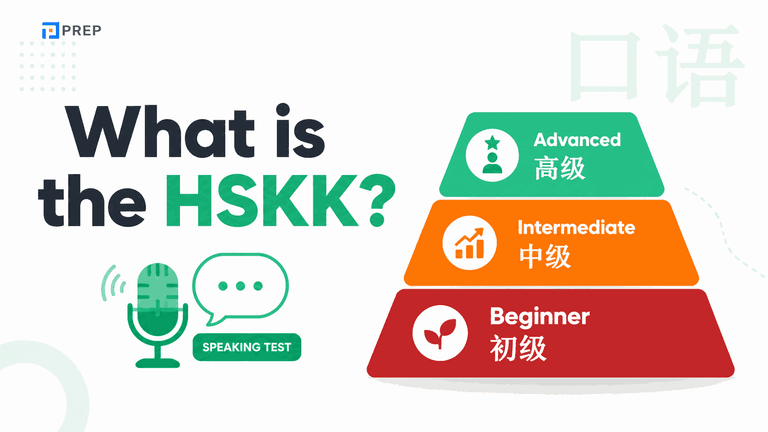
In standardized tests like HSK (Hanyu Shuiping Kaoshi) or HSKK (speaking test), accurate pronunciation directly impacts your score. Here's how “cui” can affect each skill:
-
Listening comprehension: Many words that include “cui” appear in everyday dialogues, instructions, and descriptive passages. Hearing cuì (crispy) versus chuì (blow) or zuì (drunk) incorrectly can distort the meaning of an entire sentence.
-
Speaking performance: In tests like HSKK, incorrect tone (e.g., cuī vs cuì) or consonant mix-up (cui vs zui) can reduce pronunciation accuracy scores. Even native speakers rely on tone and clarity to follow meaning—especially when hearing names like 崔老师 (Teacher Cui) in intro dialogues.
-
Character recognition: In reading and writing assessments, pairing sound with character is essential. Knowing that “cuì” corresponds to 脆 (crispy) or 翠 (green) improves reading comprehension and active vocabulary recall.
When Should Learners Focus on “Cui” Pronunciation?
Mastering “cui” early in your Mandarin journey helps avoid fossilized mistakes that are harder to correct later. Here’s when and how learners should best approach it:
-
HSK 1–2 (Beginners)
-
Start from week 2–3 of pinyin study.
-
Practice “cui” alongside similar sounds like “chui” and “zui.”
-
Introduce it through words like 崔 (surname) and 催 (urge), which often appear in name-based role plays and sample dialogues.
-
-
HSK 3–4 (Lower-Intermediate)
-
Focus on tone accuracy and reaction speed during listening tasks.
-
Practice complex sentences involving “cui”-based descriptive adjectives and colors, such as 脆 and 翠.
-
Use fluency activities like shadowing, repetition under timed pressure, or real conversation practice using role-plays.
-
-
Test preparation phase (HSKK, mock exams)
-
Include “cui” in your tone-drills and pronunciation practice sets.
-
Record responses and get feedback through apps like Speechling or tutors who can give targeted correction.
-
By integrating proper pronunciation of “cui” early and reviewing it consistently, you can improve pronunciation accuracy, reduce test anxiety, and build authentic confidence in real-life communication.
Above is the full article by PREP on how to understand, pronounce, and apply the Mandarin syllable “cui” across tones, sound comparisons, real vocabulary, and exam situations. We hope this guide helps you speak with clearer tones, avoid common pronunciation errors, and gain confidence using “cui” in both daily conversation and your Mandarin learning milestones. Keep exploring with PREP to level up your Chinese.

Hi I'm Chloe, and I am currently serving as an Product Content Administrator at Prep Education. With over five years of experience in independent online IELTS study and exam preparation, I am confident in my ability to support learners in achieving their highest possible scores.
Comment
Premium content
View all


Personalized roadmap


Most read



UEN: 202227322W
Address: 114 LAVENDER STREET, #11-83 CT HUB 2, SINGAPORE (338729)