Chinese Name Ming: Meaning, Characters, and Usage
Thinking of choosing “Ming” as your Chinese name or just curious about its meaning? In Chinese, Ming (明) is more than just “bright”—it reflects wisdom, clarity, and deep cultural symbolism. This guide explores what Ming means, how it’s used, and how to create a meaningful name with it.
I. What Does the Chinese Name Ming Mean?
The name “Ming” (明) is one of the most common and culturally rich elements in Chinese given names. Rooted in thousands of years of Chinese tradition, “Ming” typically carries meanings related to brightness, clarity, intelligence, and openness. Its popularity across generations reflects not only its elegant sound, but also the hopeful values it conveys.
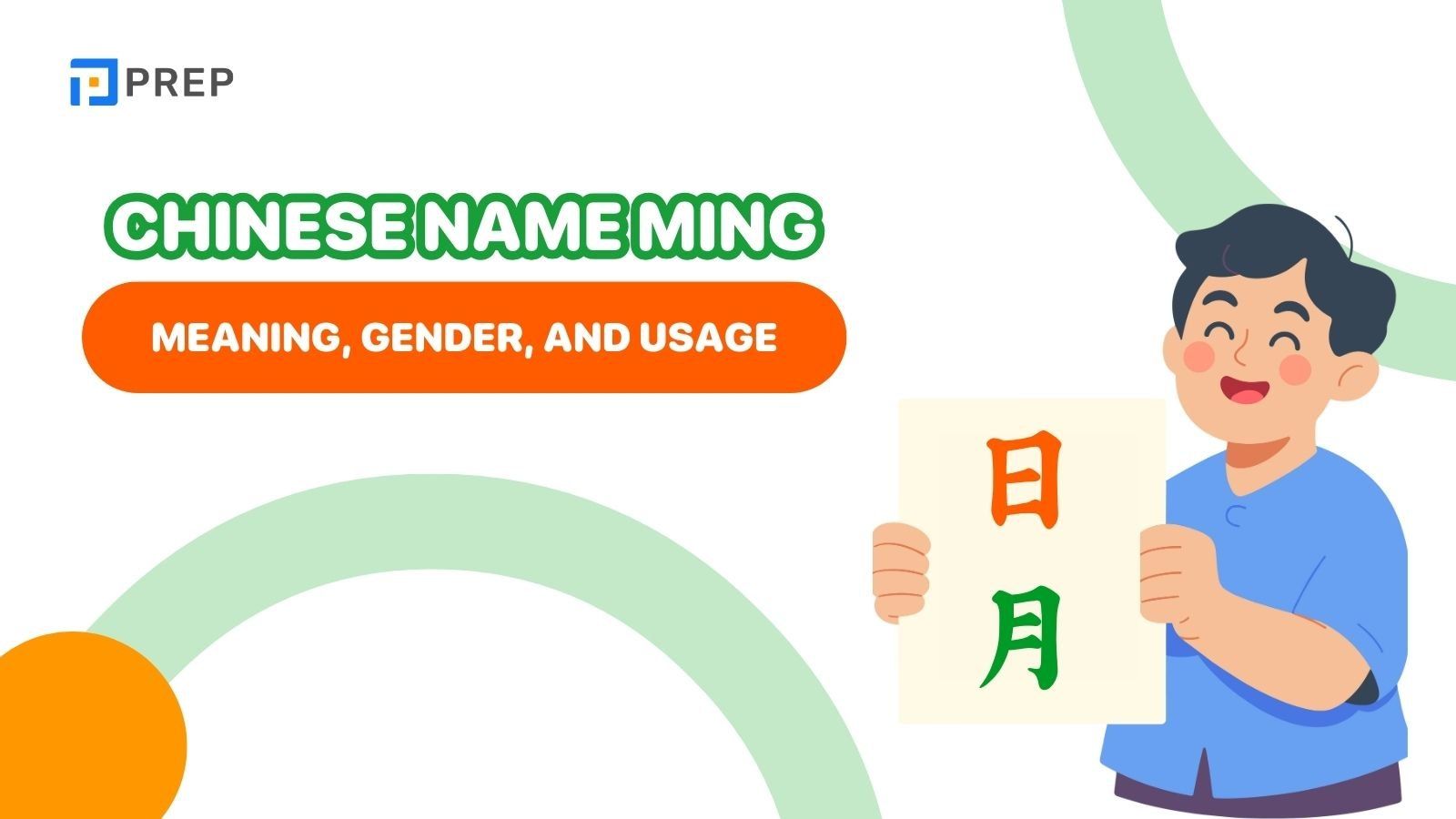
In its most typical form, “Ming” is written as 明 in Chinese characters. It is composed of two radicals:
-
日 (rì) meaning “sun”
-
月 (yuè) meaning “moon”
Together, these symbols represent “bright” or “clear,” conveying the idea of illumination, wisdom, and insight. As such, names containing “明” often imply that the person is enlightened, intelligent, or brings light to others.
In Chinese culture, names are more than just labels—they are blessings and aspirations. The name “Ming” has long been a symbol of:
-
Clarity in thought
-
Integrity and moral transparency
-
Brightness in personality or future
Because of this, it’s a common syllable in names for both men and women. Parents may choose “Ming” for a child in the hope that they will grow up to be bright-minded, optimistic, and respectable.
Different generations and regions may associate “Ming” with slightly different qualities, but the underlying meaning of light, wisdom, and positivity remains consistent.
II. Chinese Characters Commonly Used for the Name Ming
While the most recognized form of “Ming” in Chinese names is 明, it's important to know that several different characters are pronounced “Ming,” each with its own tone, visual form, and unique meaning. Understanding these variations helps you choose or recognize names with the right nuance—whether you're naming yourself, a child, or exploring traditional texts.
In Mandarin, most forms of “Ming” are pronounced with the rising second tone, written as míng in pinyin.
-
Pinyin: míng
-
Tone: 2nd (rising tone)
-
Pronunciation guide: Similar to “meeng” with a rising intonation, like you're asking a question
Careful attention to tone is crucial—saying “Ming” in the wrong tone could result in a completely different word or name in Chinese.
The Most Common Character: 明
-
Simplified & Traditional: 明
-
Meaning: Bright, clear, enlightened
-
Symbolism: Sun (日) + Moon (月) — brightness of day and night combined
-
Gender usage: Unisex, but often found in male names
This is the default and most positive version of “Ming,” favored in modern and classical naming across all parts of China.
Other Characters Pronounced "Ming" (with the same tone)
Here are some other Chinese characters spelled "Ming" (míng) that are also used in names, literature, or branding — each with different connotations:
|
Character |
Meaning (English) |
Symbolism & Usage |
Name Example / Notes |
|
铭 |
To engrave; to remember deeply |
Implies legacy, memory, and lasting value — evokes sincerity and strength |
Common in male names (e.g., 铭俊 – Mingjun) |
|
茗 |
Young tea leaves; tea |
Poetic, refined, nature-inspired — popular in literary or lyrical contexts |
Used in graceful or artistic names |
|
名 |
Name; reputation; fame |
Represents one’s public identity or pursuit of reputation |
Rare as a standalone name component |
|
冥 |
Dark; hidden world; underworld |
Negative tone — associated with death, mystery, or the afterlife |
Rarely used due to unfavorable cultural tone |
Which Character Should You Choose?
-
For most people choosing a Chinese name, 明 is the safest, most positive, and most versatile character for “Ming.”
-
铭 or 茗 are excellent alternatives if you're looking for something unique but still culturally rich.
-
Avoid characters like 冥, unless you're referencing literature or mythology, as they carry somber meanings.
III. How Chinese Names Work and Where Ming Fits
To fully appreciate how “Ming” functions in Chinese names, it’s important to understand how Chinese naming conventions work in general. Unlike in Western cultures where given names come first, Chinese names follow a family name + given name structure, with deep symbolic and phonetic consideration behind each component.
Name Structure in Chinese: Surname Before Given Name
-
Chinese names are typically 2 to 3 characters long.
-
[Surname] (1 character) + [Given name] (1–2 characters)
-
Example: Li Ming (李明) → “Li” is the family name, “Ming” is the given name.
-
-
The family name (姓 xìng) comes from a closed set of traditional names, while the given name is often created with more freedom, allowing parents to express wishes, values, or traits.
-
Chinese given names are often based on meaning, character balance, tone harmony, and sometimes birth elements (五行 wǔxíng) or astrology.
Gender and the Use of “Ming” in Names
-
"Ming" (明 or related characters) is widely regarded as a unisex component, though it may be more common among male names due to its association with intelligence, brightness, and clarity.
-
Male names often use Ming paired with characters like:
-
俊 (jùn) – handsome
-
浩 (hào) – vast
-
→ Examples: Mingjun (明俊), Minghao (明浩)
-
-
Female names are less likely to use Ming alone, but may appear in elegant or poetic combinations:
-
月 (yuè) – moon
-
颖 (yǐng) – clever
-
→ Examples: Mingyue (明月), Mingying (明颖)
-
How Cultural and Social Context Affects Perception of “Ming”
-
A name like "Ming" is often seen as modern, bright-sounding, and scholarly in urban Chinese settings.
-
In Taiwan, Hong Kong, and Southeast Asian Chinese communities, “Ming” is also widely used due to its classic and versatile appeal.
-
Context plays a role — in formal settings, Ming sounds neutral and intelligent; in casual settings, it may feel vintage or timeless, depending on the full name structure.
Ming adapts well across name styles, regions, and generations, making it a smart and meaningful choice for learners, parents, or anyone selecting a Chinese name.
IV. How to Choose Ming as Your Chinese Name
If you’re learning Mandarin or looking to adopt a culturally meaningful Chinese name, “Ming” (明) is a strong and versatile choice. However, choosing a Chinese name isn't just about picking a word that sounds good — it involves understanding the meaning, tone, and cultural resonance of that character in context. Here’s how to decide if “Ming” works for you, and how to build a complete Chinese name around it.
When Is “Ming” a Suitable Choice?
-
Ming is an excellent option if your name or personality reflects concepts like light, clarity, wisdom, or intellect.
-
It’s also common if your original (Western) name has similar meanings: e.g., names like Claire, Lucian, or Phoebe could conceptually align with “Ming.”
-
If you're choosing a Chinese name for professional, academic, or respectful social settings, Ming offers a subtle, dignified feel with wide recognition.
Tips for Building a Full Chinese Name With “Ming”
When creating a name that includes “Ming,” you have several options depending on tone, structure, and personal style:
-
Use Ming as the second syllable in a two-character given name:
-
Examples:
-
Haoming (浩明) – vast brilliance
-
Zhiming (志明) – clear purpose
-
Yueming (月明) – bright moonlight
-
-
-
Pair Ming with a softer or poetic element for more balance or lyrical tone:
-
Great for unisex names or more artistic personalities
-
Examples:
-
Mingyue (明月) – bright moon
-
Mingxin (明心) – clarity of heart
-
-
-
Match Ming according to tone pattern balance in spoken Chinese
-
Avoid tonal clashes (e.g., too many rising or falling tones)
-
Ensure your given name flows naturally with your selected surname
-
Consulting Native Speakers or Tools When Choosing "Ming"
-
Use online Chinese name generators that allow you to search or customize names using "Ming". Tools like [Ninchanese], [Chinese-Tools.com], or name dictionaries provide options with meanings and stroke counts.
-
Double-check the chosen characters with a native speaker, tutor, or instructor — not all characters with the same pronunciation carry positive meanings.
-
If you plan to use the name on documents or tattoo designs, make sure the character is culturally appropriate and elegant in writing.
Choosing a name like “Ming” reflects more than sound — it reflects how you want to be perceived in Chinese-speaking environments. Whether you're creating a name for school, work, or cultural appreciation, a well-formed “Ming” name can carry light, clarity, and confidence into how others connect with you.
Above is the full article by PREP exploring the meaning, structure, and cultural significance of the Chinese name “Ming.” Whether you're choosing a Chinese name, curious about character meanings, or learning how naming works in Mandarin, we hope this guide has clarified what “Ming” represents and how it fits into real naming practices.
Keep learning with PREP to find names that reflect your personality, values, and identity—one meaningful character at a time.

Hi I'm Chloe, and I am currently serving as an Product Content Administrator at Prep Education. With over five years of experience in independent online IELTS study and exam preparation, I am confident in my ability to support learners in achieving their highest possible scores.
Comment
Premium content
View all




Personalized roadmap


Most read





UEN: 202227322W
Address: 114 LAVENDER STREET, #11-83 CT HUB 2, SINGAPORE (338729)